

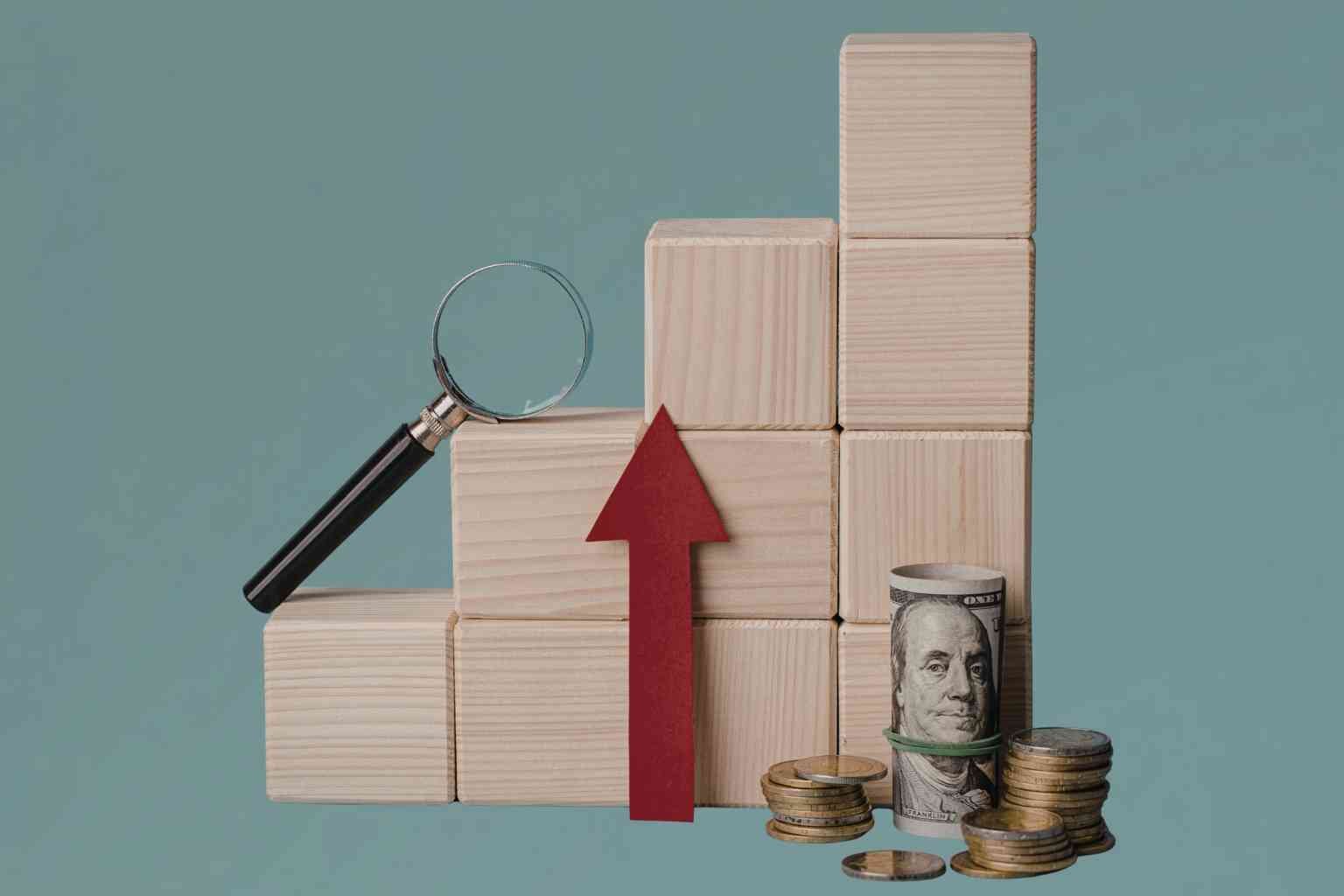
Why is it important to have financial stability? Not just about making money or spending wisely, financial stability means living a life without worries. It is also having a little bit of breathing room in your finances. This breathing room is known as financial slack. Financial slack would mean having spare resources in the form of savings, available credit liens or surplus income to absorb shocks during bad times. In an uncertain world, creating financial slack that seniors can draw on to increase money resilience and maintain long-term goals.
1. What Is Financial Slack
Financial slack is the space between your income and what you need to pay for essential items. And that would include rainy day funds, extra savings, wiggle room in budgets and even time cushions for financial planning. Instead of working at maximum capacity, financial slack adds space that can absorb surprise events without inducing a flood of stress.
2. Why Living at the Limit Is Risky
Operating with no margin for error, people or companies can be undone by minor disruptions. A surprise medical bill, job loss or market downturn can mean a loss of financial security. No slack, and recovery is hard and stressful.
3. How Financial Slack Builds Resilience
Financial resilience is also the capability to bounce back from financial downturns swiftly. Slack provides this strength. But when there is little liquidity, when you have nothing on the side, you can cope with emergencies without have to borrow a lot or sell long term assets at bad times.
4. Key Components of Financial Slack
Financial slack can be accumulated through a combination of practical strategies:
- Having three to six months reserve of money for use in an emergency
- Keeping a part of income unassigned to anything every month
- Avoiding maximum credit usage
- Diversifying income sources
- Reducing unnecessary fixed costs
These are the kind of moves that give you financial options, for your personal life and your business.
5. Emotional Benefits of Financial Slack
Uncertainty is a common cause of money stress. Anxiety declines when money slackens. People are more confident in making decisions because they know that they have backing nearby resources. This emotional steadiness leads to better financial deciders.
6. Financial Slack for Businesses
Companies need slack to weather the volatility of markets. Businesses with cash reserves and relatively conservative expenses are best prepared for economic downturns. They point out that thanks to Slack, they can invest in opportunities even when things are up in the air.
7. Creating Slack Without Sacrificing Growth
Some worry that holding reserves will suppress growth. But financial slack is not about underinvestment. It represents a balancing act between growth and safety. Some part of your income to grow, yes and another to keep you secure.
8. Practical Steps to Build Financial Slack
It does take structured effort to build financial slack:
- Calculate essential monthly expenses
- Have an emergency fund goal
- Automate savings contributions
- Reduce non essential recurring expenses
- Review and adjust spending regularly
Going through these steps ramps up the financial freedom.
9. Common Mistakes to Avoid
But as you create financial buffer, some mistakes can sabotage your efforts:
- Saving irregularly without a plan
- Misappropriating emergency funds for other than emergencies
- Not taking inflation into account when determining savings goals
- Depending more on credit, less on cash reserves
- Expanding lifestyle costs too quickly
By not making that mistake you will be able to think much more longer term.
10. The Long‐Run Consequences of Financial Slack
Financial slack enhances resilience by supplying individuals and firms as ammunition in both threats and opportunities. It makes it possible to think through decisions rather than simply react. In the long run, this reliability helps maintain steady growth and financial peace of mind.
Key Takeaways
- Financial slack enhances money resilience by providing a cushion against ambivalence
- Saving more, controlling expenses and having multiple sources of income improve resilience
- Slack enables faster recovery from financial shocks
- Balanced reserves support both stability and growth
- Long-term goals are easier to maintain with financial slack
FAQs:
Q1. What does financial slack mean?
It is about having financial buffer beyond basic life expenses.
Q2. What qualifies as a sufficient emergency fund?
The general advice is to save three to six months worth of essential expenses.
Q3. Is financial slack simply another word for savings?
No, It also involves flexible budgeting, low debt and income diversification.
Q4. Should businesses take advantage of financial slack?
Yes, it enables businesses to survive downturns and invest in opportunities.
Q5. Is financial slack harmful for financial growth?
No, it combines growth and security and lowers financial risk.
