

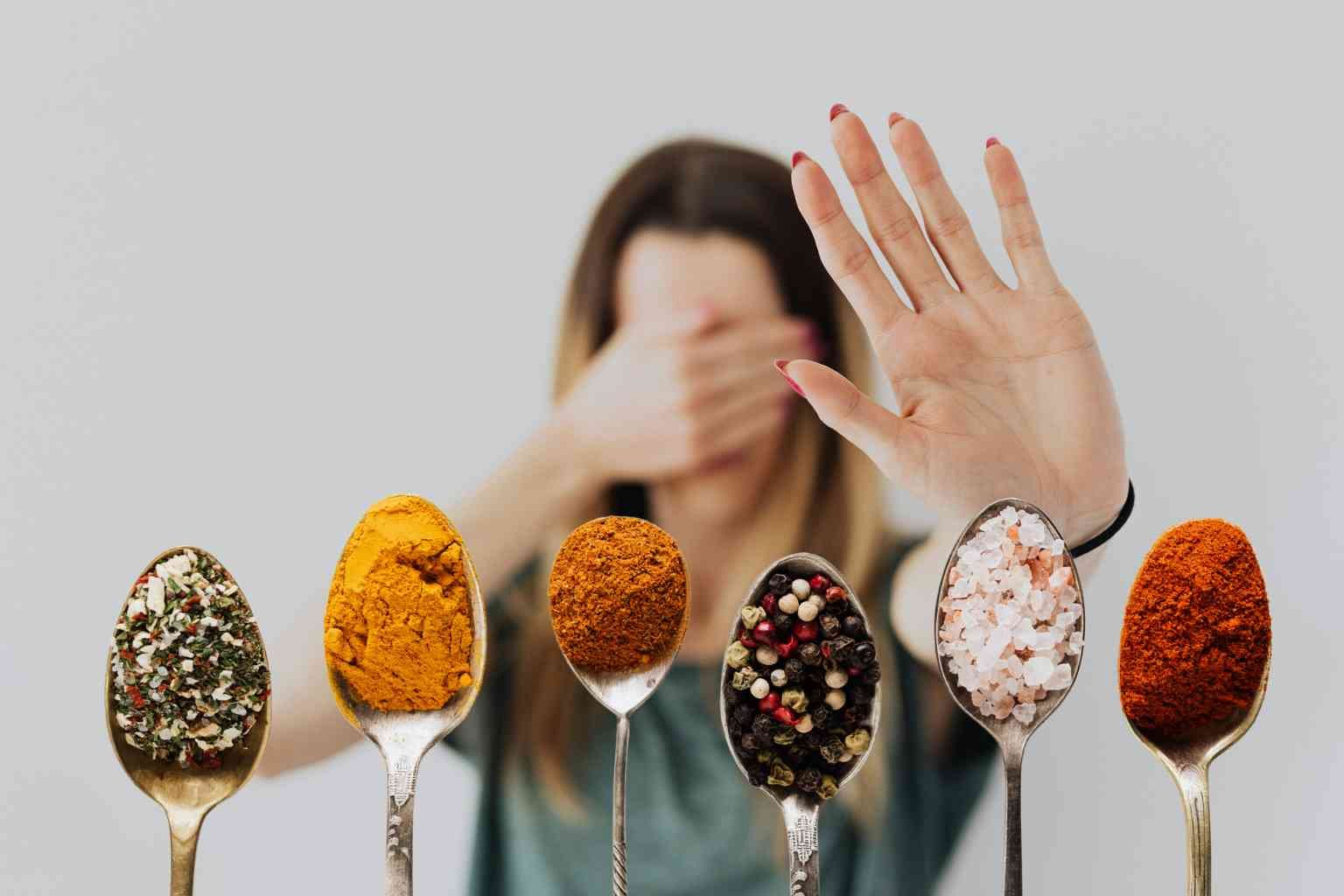
Food choices aren’t just about taste. Emotions, memories, culture, and even color influence what people love to eat. This mind‑taste connection is called flavor psychology. It explains why some foods feel comforting, exciting, or off‑putting. Learning flavor psychology shows how taste preferences form and why they differ between individuals.
1. What Is Flavor Psychology
Flavor psychology is the study of how the brain processes taste, smell, texture and appearance. Taste is more than just the tongue identifying sweet, salty, sour, bitter or umami. It is also memory, expectation and emotional response. The brain integrates these signals into the overall eating experience.
2. Role of Memory and Emotion
Food preferences become strongly influenced by childhood experiences. Late in life, a dish you associate with happy memories tends to be comforting. Emotions can make some flavors more attractive or lead to avoidance if associated with negative experiences.
3. Influence of Visual Appearance
How food tastes is affected through presentation Studies have found that color, plating and even dishware affect perception of food. Bright colors are often associated with freshness, while dull hues may suppress appetite. Flavor enhancement by attractive presentation.
4. Cultural and Social Factors
Culture has a big influence on flavor preferences:
- Some regions are known for spicy foods
- Globally in desserts, sweet flavors reign supreme
- Some cultures value fermented foods
- Family traditions influence meal choices
- Social settings impact food enjoyment
These influences, in turn, led to diverse patterns of global food.
5. Expectation and Taste Perception
Expectations shape the experience of flavors. If someone expects a drink to be sweet, the brain will set itself up for that experience. When the real taste aligns with expectations, satisfaction rises. Mismatched expectations may reduce enjoyment.
6. Sensory Combination in Flavor Experience
Relative to flavor perception, this is a multisensory affair:
- Taste from the tongue
- Aroma from the nose
- Texture felt in the mouth
- Temperature of the food
- Sound during chewing
Those feelings contribute to overall preference.
7. Impact of Marketing and Branding
Food perception: The role of packaging, branding, and product names. Phrases like “fresh” or “organic” can help elevate perceived quality. Good-looking packaging can make food taste better even before it is tasted.
8. Psychological Comfort and Cravings
Stress and mood changes influence flavour preference three. It’s not uncommon for people to crave sweets or high-fat foods when they are under emotional stress. These choices are associated with the brain’s reward system and dopamine release.
9. Personal Differences in Taste Sensitivity
Genetics influence taste perception. Some people are more sensitive to bitterness or spice. These biological differences help explain why food preferences differ from person to person.
10. The Future of Flavor Personalization
Food scientists and consumer researchers are advancing the idea of flavor personalization. Data is used by companies to figure out what consumers want and provide targeted products. As we become increasingly aware, food experiences will be more tailored to us.
Key Takeaways
- The psychology of flavor shows how emotions, memory, culture and sensory perception shape tastes
- Visual presentation influences taste perception
- Emotions influence cravings and comfort foods
- Culture shapes flavor familiarity
- Expectations impact satisfaction
- Genetics explains individual differences in sensitivity
FAQs:
Q1. What is flavor psychology?
It examines how psychological factors shape taste and food preferences.
Q2. Why are childhood foods so comforting?
Building positive memories around those foods helps short-circuit emotional connection.
Q3. Does color have an influence on food taste?
Yes, visual appearance can affect flavor perception.
Q4. Does culture shape the way we eat?
Yes, taste has a pesky way of being influenced by cultural traditions.
Q5. Can genetics affect taste sensitivity?
Yes, genetic variance affects how people perceive certain flavors.
