

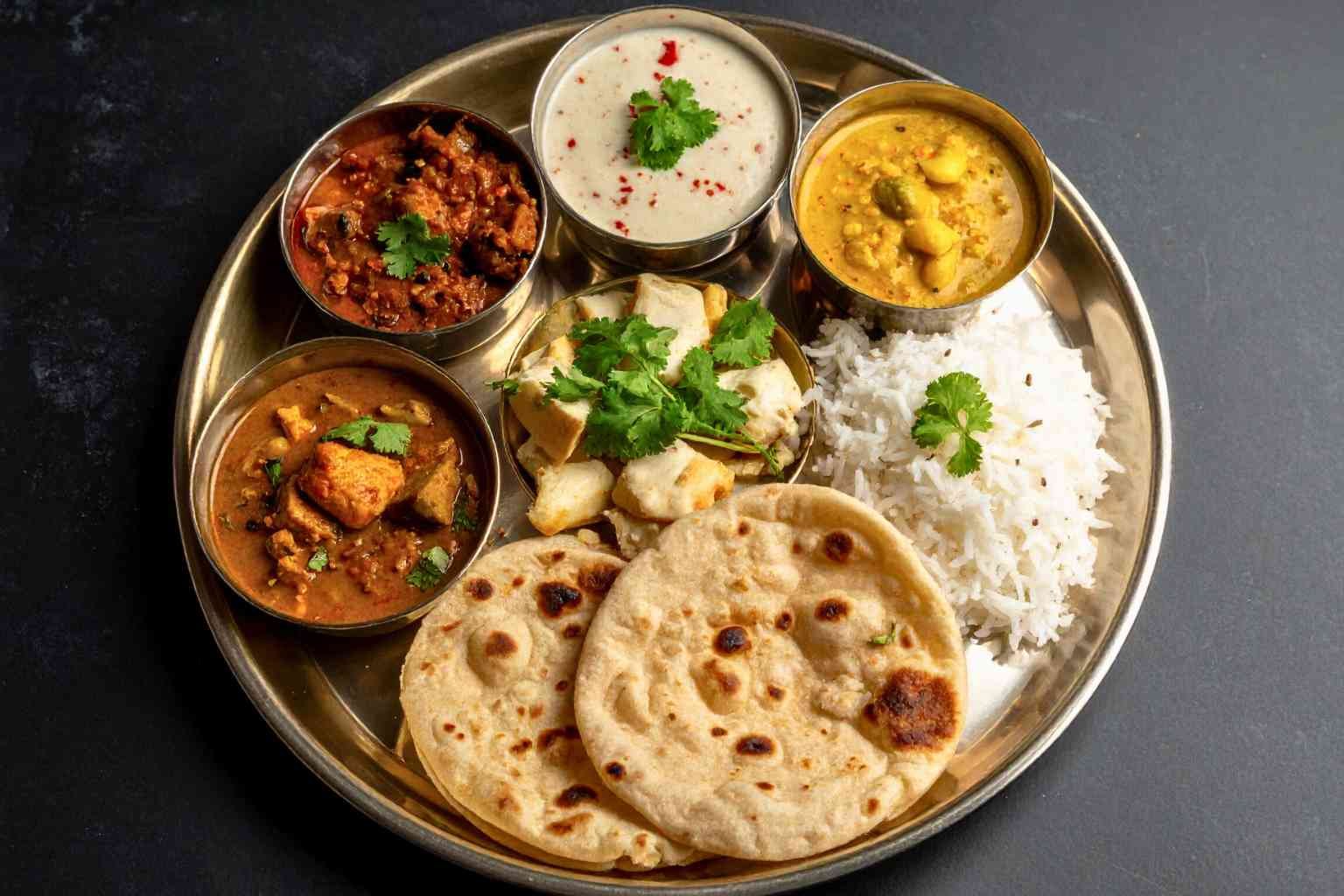
Modern diets focused on calories, shortcuts and packaged solutions for years. People followed the international trends without thinking much about eating traditions. But now something interesting is going on. There’s a strong renaissance of cultural food wisdom.
All over the world, people are returning to their grandparents’ foods. They are discovering old recipes, natural cooking processes and time tested ingredients. This return isn’t merely a nostalgia play. It’s about health and balance, reconnecting with your roots.”
1. What Is Cultural Food Wisdom
Cultural food wisdom is dietary knowledge that accumulated throughout the course of generations. Such food practices were influenced by:
- local climate
- seasonal produce
- communal knowledge
Many Asian cultures incorporate fermented foods, Mediterranean areas revolve around olive oil and fresh veggies and Indian kitchens use spices known to help digestion.
These traditions were not random. They developed organically to provide health and lifestyle support.
2. Where Modern Diets Began to Fall Off
As people around the world led busy lives and food chains began to cross oceans, they started opting for convenience over tradition. Processed food proliferated, and fad diets guaranteed rapid success. All this was very convenient but had a gradual effect on overall health.
Through time, rising lifestyle issues attracted attention and led them to question modern eating patterns.
3. Traditional Diets Focus on Balance
Most cultural food systems focus on balance, not restriction. Unlike restrictive diets that eliminate whole sections of the food pyramid, traditional diets encourage balance between:
- grains
- vegetables
- healthy fats
- proteins
Food is often prepared at home and eaten with family members, further lending itself to mindful eating.
This seems a more sustainable approach than rigorous dieting.
4. Natural Ingredients Are Gaining Attention
Many time-honored recipes incorporate basic, local ingredients without extensive processing. People nowadays are looking for natural, organic, and minimally processed food. This principle is already followed by cultural cooking methods.
Examples of some traditional ingredients that are trending now:
- Fermented foods such as yogurt and pickles
- Whole grains for bread instead of refined flour
- Seasonal vegetables and fruits
- Natural spices and herbs
- Cold pressed oils
These ingredients have always existed inside rooms sharing cultural generations.
5. Science Is Supporting Ancient Practices
Traditional cultures practiced these health habits for centuries. Examples include:
- Fermented foods improve gut health
- Turmeric has anti inflammatory properties
- Olive oil supports heart health
And this scientific backing only works to bolster confidence in food wisdom as a tradition.
When science and tradition come together, people are more sure of going back to old things.
6. The Great Gut Health Awareness
In recent years there has been a plethora of articles about gut health. Food Is Not the Enemy Interestingly, many cultural diets were already including probiotic rich foods and fiber rich ingredients. Naturally fermented foods such as:
- kimchi
- kefir
- idli
- miso
- sauerkraut
were purposefully created to aid digestion.
As people gain a better understanding of gut health, they realize what the ancient cultures who made these foods knew.
7. Emotional and Cultural Connection to Food
Food is not just nutrition. It is about memory, family and identity. Several dishes we grow up eating, we feel emotionally connected to. There’s comfort and a sense of belonging in cooking traditional meals.
In the animalistic hustle of any quotidian existence, home cooking offers emotional sanctuary and physical sustenance.
8. Sustainability and Local Sourcing
Cultural diets typically draw from local ingredients. This automatically cuts down on:
- transportation
- packaging
- waste
Since sustainability is so important, it seems a responsible choice to return to local food traditions.
Traditional food systems were often eco friendly without trying.
9. Modern Challenges in Following Traditional Diets
Though interest is building, there are some hurdles:
- Lack of time for home cooking
- Limited knowledge of traditional recipes
- Easy access to processed alternatives
- The global fast food culture influence
Through small steps, though, some people can gradually start to incorporate these cultural habits back into their daily meals.
10. Why This Change Is More Than a Trend
Looking back to cultural food wisdom is not just another diet trend. It is indicative of a broader trend toward more mindful living. People want food that promotes health, honors nature and ties them to their ancestry.
Rather than chasing every new fad, for many people the fitness solutions lie in old traditions.
Key Takeaways
- Gentrified food wisdom is returning because it brings balance, real foods and proved health benefits
- Traditional diets promote gut health, emotional wellbeing, and sustainability
- Well as modern science certifies the wisdom of ancient ways, more people are realizing they’re better off eating how their ancestors did
FAQs:
Q1. What is cultural food wisdom?
It is a reference to traditional eating habits that were shaped over centuries in accordance with local ingredients and climate.
Q2. What are the reasons behind the return to traditional diets?
Because these are balanced, natural and based on modern health science.
Q3. Traditional foods: Less or more healthy than modern processed meals?
In many cases, yes. They tend to cook with fresh, minimally processed ingredients.
Q4. What does food wisdom look like and how can I incorporate it into my diet?
Cook traditional recipes at home and use seasonal, local goods to develop your palate.
Q5. Is this merely a passing food trend?
Seemingly, it’s a long term shift toward healthier and more mindful eating habits.
