

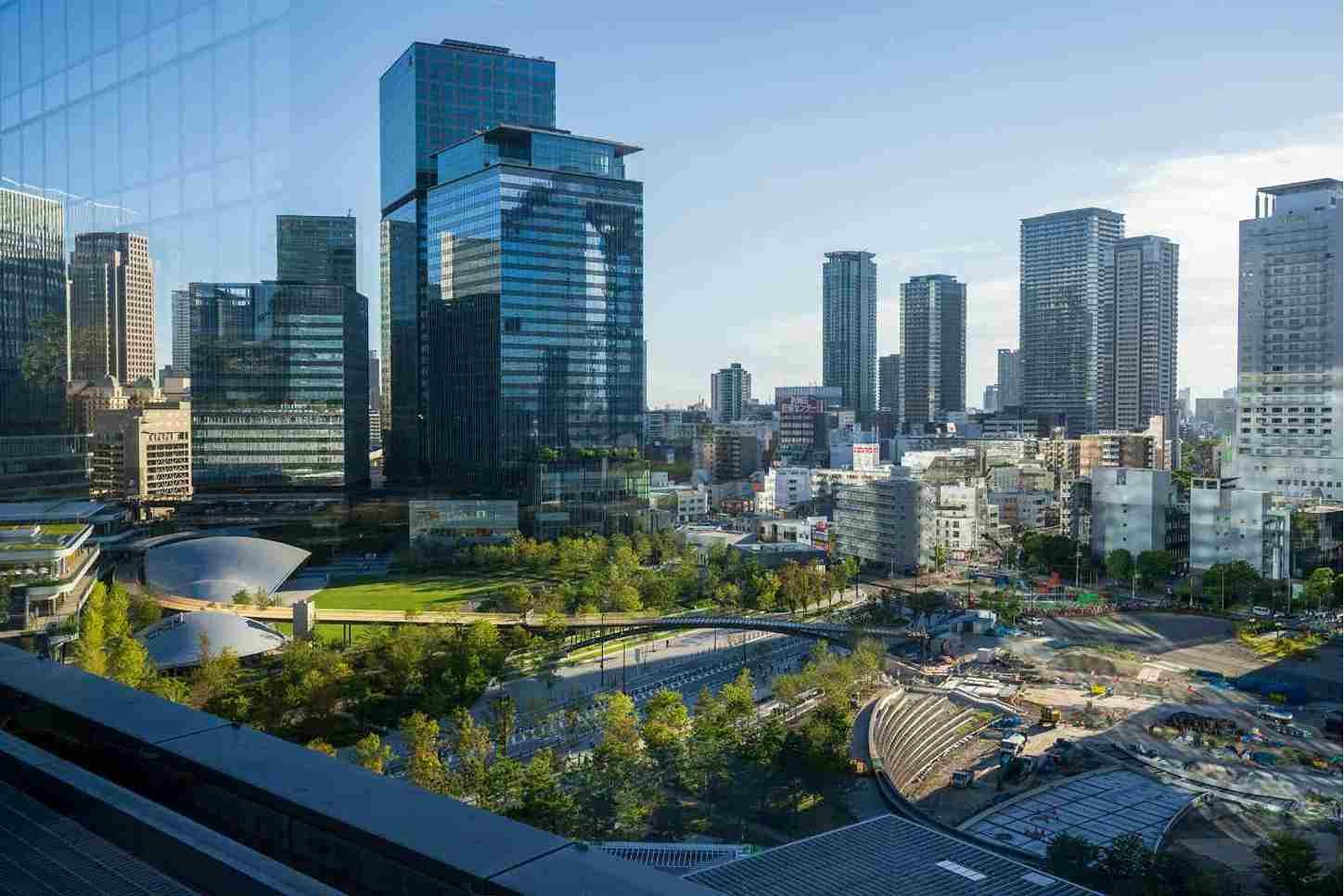
Real estate development is driven heavily by infrastructure corridors. Every time a new highway/metro line industrial corridor or expressway is announced, the price of land near the route starts increasing, sometimes even before construction has been completed. Such corridors enhance connectivity, boost businesses, and open up new possibilities for housing and commercial developments.
Real estate growth is never random. It often follows infrastructure. When roads, transport networks and utilities extend further out, property all along these lines is typically in demand.
1. What Are Infrastructure Corridors
Types of Infrastructure Corridor:Infrastructure corridors are the planned routes developed to enhance transportation, trade and connectivity. That can include:
- highways
- railway lines
- metro networks
- industrial zones
- economic corridors
Such projects are typically supported by government guidelines and urban development plans devised for the long run.
They link cities, shortening travel times and catalyzing growth beyond the urban core.
2. Improved Connectivity Increases Property Demand
Connectivity In Real Estate Is Crucial When travel time is shorter, places that previously felt distant become appealing. People who buy property prefer locations that provide easy access to places of work, school or even commercial areas.
The demand for nearby properties soars as soon as a new corridor enables better access.
3. Increasing Residential Projects in the Corridors
Infrastructural projects easily yield consistent growth potential for developers. Buyers perceive appreciation potential, so residential projects often launch near new highways or metro stations.
Common residential benefits include:
- Shorter commute times
- Better access to public transport
- Improved road networks
- Proximity to other retail and services
- Higher resale value potential
It’s a cycle where more housing equals more local development.
4. Commercial and Industrial Expansion
Infrastructure corridors attract not just homebuyers. Well connected locations are preferred by businesses too. Along major highways and transport routes build up industrial parks, logistics centres and office space.
More jobs are available as businesses relocate. This adds to housing demand that spills into surrounding neighborhoods.
5. Land Value Appreciation Over Time
Property prices tends to increase in phases around infrastructure corridors:
- Announce: the stage when project plans are public
- Construction Phase: The development becomes visible
- Stage of completion where connectivity improves fully
- Lifelong growth as commercial enterprise develops
However, those who step in early tend to see first find appreciation as time goes by.
6. Development of Supporting Amenities
As soon as the infrastructure is in place, the rest follows. Nearby shopping malls, schools, hospitals and entertainment centres start emerging. This will turn previously underdeveloped zones into lively neighborhoods.
Infrastructure is the foundation for sort of other types of urban growth.
7. Government Policy and Urban Planning
Several infrastructure corridors are being developed as part of the wider development plans. Governments create them in part to reduce congestion in large cities and encourage balanced regional growth. Such planned development often carries with it zoning regulations and incentives that promote real estate activity.
Growth is systemic and sustainable when policy is in sync with infrastructure.
8. Less Strain on Core Areas of a City
Infrastructure corridors help decentralize cities. Rather than concentrating demand in city centers, growth diffuses outward. Suburban and outlying areas become practical living and business locations.
This gradual growth ensures long-term stability in urban areas.
9. Risks and Challenges to Consider
The benefits of infrastructure corridors create growth; there are risks:
- Project delays affecting timelines
- Real Demand vs. Speculative Price Increases
- Environmental concerns
- Overdevelopment without proper planning
Investment should be approached with caution and due diligence.
10. Why Infrastructure Corridors Will Continue Driving Growth
As urban centers grow and populations swell, infrastructure development will continue to prove vital. Such new expressways, metro lines and industrial corridors will keep moulding real estate markets. Infrastructure announcements signal the opportunity of tomorrow, leaving investors, developers and homebuyers watching closely.
Wherever there is connectivity, there is real estate growth.
Key Takeaways
- From the consumer’s perspective, infrastructure corridors improve real estate
- בשלב מסוים לא משנה מה פרויקט משרד לתוכניות רכישות כוחניות קבועות יחד גם את הערך של נכסים
- But we would advise caution and risk management, which are necessary with any investment
FAQs:
Q1. What is an infrastructure corridor?
A planned way to link to high ways, metro line or industrial zone for better connectivity and economic uplift.
Q2. Why are property prices higher close to corridors?
Increased access and greater business activity raise demand for land and housing close by.
Q3. Is it wise to invest before a corridor gets completed?
Early investment has potential for greater returns, but investing carries risk if projects get delayed.
Q4. Do commercial projects follow infrastructure corridors?
Indeed, business likes good transport links and that leads to more commercial construction.
Q5. Is there a risk of investing next to new corridors?
This comes with possible risks delays, speculation, overdevelopment.
