

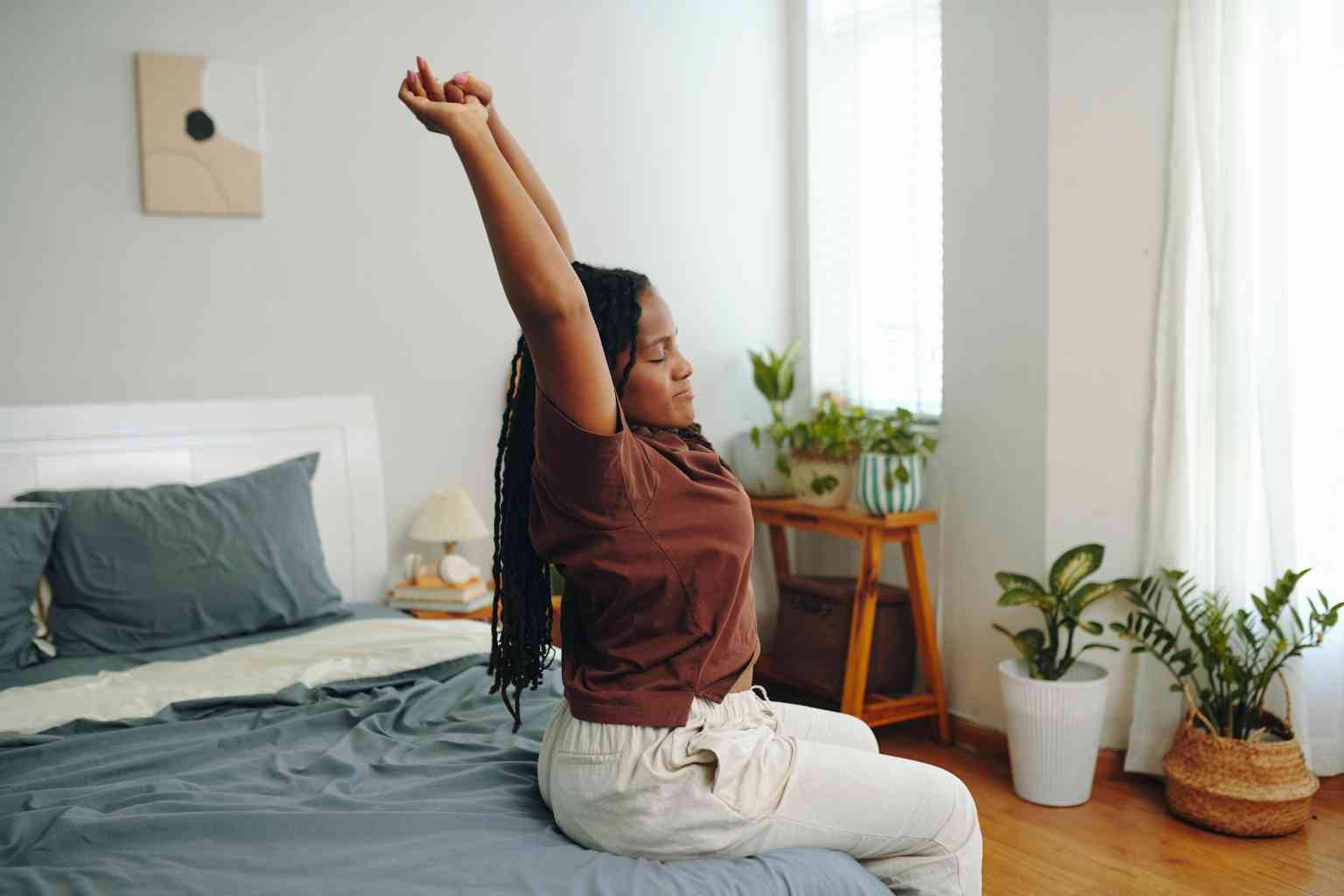
Everyone moves through the day at their own pace. Upright and early; Get it done, get it over with. Others want a slower pace and a mindful pause in between. This natural rhythm is called personal tempo. It shapes how we work, rest and experience daily life.”
When your daily calendar is aligned with your natural tempo, life becomes so much easier and fulfilling. But if you’re always hurrying or moving against your rhythm, stress and frustration can accumulate. Identifying individual rhythm has benefits for productivity, pride and mental health.
1. What Is Personal Tempo
Your tempo is the speed and rhythm at which you think, act and make decisions naturally. It influences:
- how quickly you finish your work
- how long you can concentrate
- what kind of downtime you require
Some people operate on a fast tempo and thrive in high energy environments. Others like steady and placid environments. Neither is better. The key is alignment.
2. Why Tempo Affects Daily Satisfaction
When your routine aligns with your natural rhythm, you feel more balanced. So, if we take the example on an extreme fast paced person a busy morning plan might energize them. Someone who works at a slower pace can be overwhelmed in the same scenario.
Flowing activities into the daily life, where time passes unnoticed brings more satisfaction than forced occurrences.
3. In the Flow of Morning Energy Patterns
Morning patterns tell much about personal pace. Some people are most productive early in the day; for others, productivity kicks in later.
Here are common patterns:
- Early birds who do their best work before noon
- Daytime acts that hit their stride by afternoon
- Thinkers at night who become creative after sunset
- Those with balanced energy who are stable throughout the day
- Flexible types who go with the flow depending on workload
Identifying your most productive windows will allow you to time critical activities accordingly.
4. Work Performance and Tempo Alignment
Productivity is better when work aligns with your rhythm. Fast-trackers: Fast tempo frequently flourish in roles with fast pacing and decisions. Slow tempo people may do their best work on tasks that involve details and thought.
Imitating someone else’s speed is a recipe for burnout. Instead, finding your own style can increase efficiency and confidence.
5. The Impact on Emotional Wellbeing
If you live at the wrong pace, you will create tension. Constant rushing may cause anxiety. In high pressure environments moving too slowly can cause stress or self doubt.
Your emotional balance is better when you honor your natural rhythm and make space to rest and reflect.
6. Social Life and Personal Tempo
Tempo also affects relationships. Some people like spontaneous plans and rapid conversations. Others gravitate toward deep talks and planned outings.
Knowing your pace lets you communicate more clearly, seek out social situations that feel energizing rather than depleting.
7. Technology and the Need to Go Faster
Modern life tends to speed up people’s pace. Notifications, deadlines and the constant potential for online contact put pressure on us to respond swiftly.
To manage this, you can:
- Turn off unnecessary notifications
- Schedule focused work periods
- Take short breaks between tasks
- Set realistic daily goals
- Create tech free relaxation time
These minor tweaks preserve your natural cadence.
8. Finding Your Natural Rhythm
Discovering your tempo requires observation. Pay attention to when you’re most alert and when you feel fatigued. Notice the duration for which you can sustain concentration without becoming stressed.
An easy way to figure this out is to keep a daily journal for one week. This tool can show you patterns of when and where time was inefficient, allowing you to better craft your routine in the future.
9. Adapting Without Becoming a Different Person
Life sometimes requires flexibility. You can’t always control schedules, but you can gradually adjust without denying your biological clock. Minor efforts, like planning time off and deciding on low-crowd hours for polling places, can help sustain equilibrium.
The aim is adaptation, not total conversion.
10. Why Personal Tempo Is More Important Than Ever
In a society that honours relentless productivity, honouring your rhythm is crucial for well-being in the long run. Satisfaction each day doesn’t come from going the quickest. It derives from your moving at your own pace.
When your daily routine works with your rhythm, work feels manageable, relationships feel easier and life is more enjoyable.
Key Takeaways
- Your personal tempo affects how you live every one of your days
- Aligning your schedule with your natural body clock boosts productivity, emotional stability and satisfaction
- Rather than racing with others, honoring your own pace improves daily wellbeing
FAQs:
Q1. What is personal tempo?
It is the default pace and cadence with which you think, do things, run errands.
Q2. Does our personal tempo evolve over time?
Yes, it can change with lifestyle changes, age or environment.
Q3. How do I find my natural rhythm?
Pay attention to your energy throughout the day and note when you are most productive.
Q4. A faster tempo is better than a slow one.
Both are equally helpful if implemented in the right environment.
Q5. How do I safeguard my tempo in a harried world?
By establishing boundaries, limiting tech time, and scheduling tasks to power ups.
