

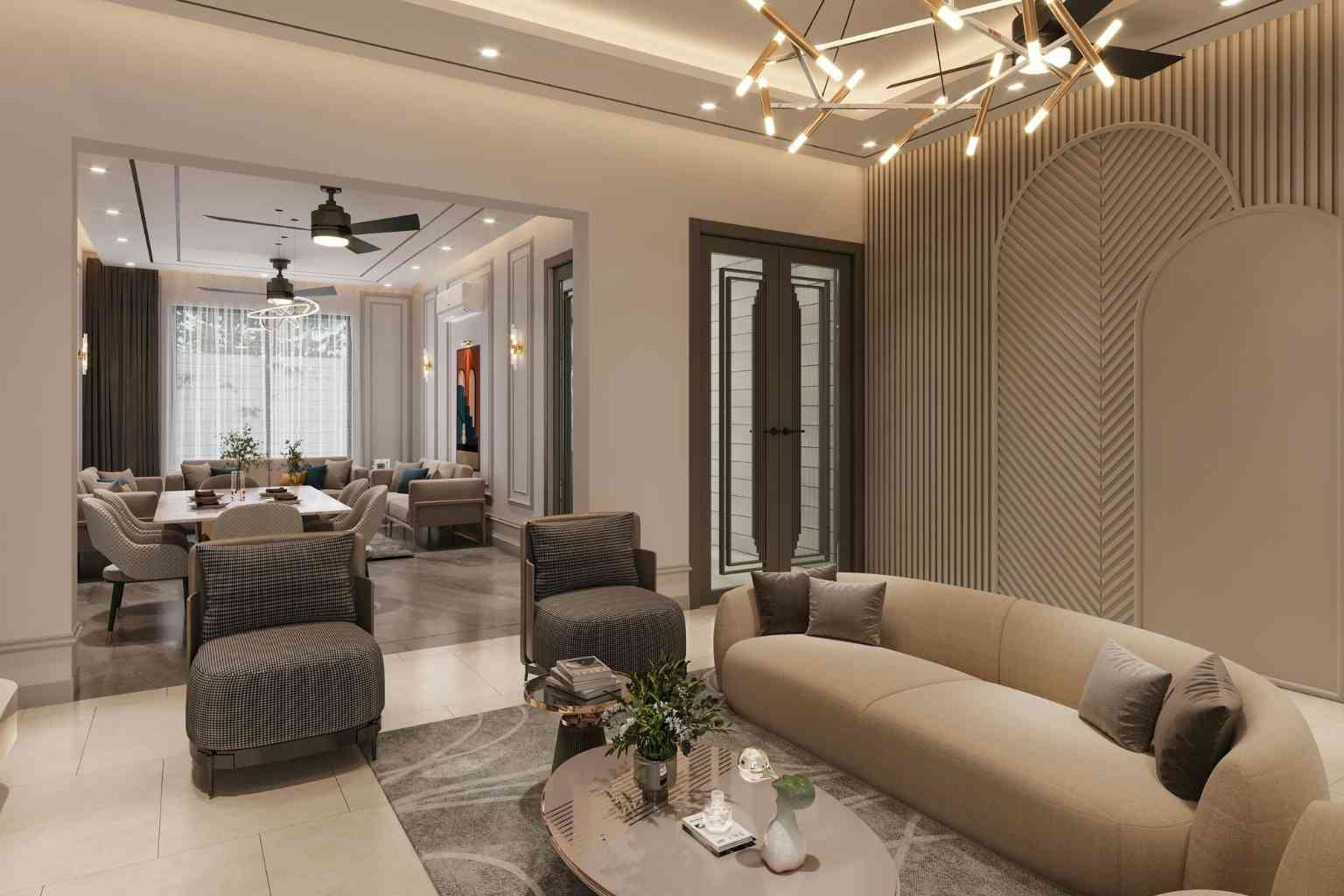
In our supercharged world, noise is a constant factor of daily life. Traffic, construction and loud neighbors mingle with digital notifications to form a background of sound that most people hardly hear anymore. However, low-noise living environments are being increasingly recognized both by homeowners and urban planners.
Quiet spaces are no longer a luxury. They are essentially vital for clarity, better sleep, and overall wellbeing. Increasing awareness About Ideal Noise Threshold Usage and habits Low-noise design is the new way of modern housing
1. Why Noise Is an Increasing Problem
Cities are expanding rapidly. More cars, high-rise buildings and densely populated neighborhoods have contributed to increased levels of noise. Prolonged exposure to such high noise levels can also cause stress, difficulty concentrating or sleeping.
That noise at home can be minimized is dawning on people, and when it is, comfort and health both improve.
2. The Link Between Quiet Spaces and Mental Health
A calm home environment helps balance our emotions. Too much noise can heighten anxiety and diminish concentration. Conversely, tranquil environments encourage rest and positivity.
For many people working remotely, quiet spaces are highly valued for productivity and mental clarity.
3. Architectural Changes Supporting Low-Noise Living
Modern buildings are designed for sound control. Developers are leaning into better materials and construction methods to help mitigate outside noise.
Common architectural solutions include:
- A triple or quadruple glaze to widens outside sound
- Sound insulated walls and ceilings
- Better sound control with solid core doors
- Acoustic panels in work areas
- Noise reducing flooring materials
These improvements will dramatically reduce unwanted sound.
4. The soundproof home-office boom
The remote work pandemic has driven up the demand for quiet home office spaces. Meeting and focused tasks require distraction free spaces for professionals. In response, many homeowners are purchasing acoustic panels, rugs and heavy drapes to help absorb sound.
Low-noise environments directly support productivity.
5. Smart Technology and Noise Reduction
Technology is also contributing to quieter homes. Smart windows, white noise machines and noise canceling systems are increasingly popular. These tools give homeowners greater control of their sound environment.
Notice how modern homes are interconnected, while also designed for acoustics.
6. Urban Planning and Quiet Zones
Certain cities are creating quiet residential districts away from heavy traffic and industrial areas. Parks and green belts also serve as natural sound barriers. Trees and landscaping also help absorb noise and improve air quality.
Acoustic comfort has made it to the list of sustainable development skills in urban planning.
7. Sound-Absorbing Interior Design Choices
Inside her house, she is using sound to best effect by making use of interior design. In contrast, soft furnishings have a meaner on sound. Carpets, curtains, upholstered furniture and wall hangings can absorb sound and improve acoustics.
Little decor decisions can make a huge difference.
8. Health Benefits of Low-Noise Living
Being in a more quiet environment can have multiple health benefits:
- Better sleep quality
- Reduced stress levels
- Improved focus and productivity
- Lower risk of hearing strain
- Enhanced overall wellbeing
The Balancing Act These advantages partly explain why demand for low-noise homes is increasing.
9. Challenges in Creating Silent Spaces
Noise is particularly difficult to eliminate, especially in dense cities. Soundproofing construction may have higher cost. Some sources of noise, such as traffic or community activity, are unavoidable.
But even partial noise removal makes a real difference.
10. The Future Is Low-Noise Living
As the culture of mental health and wellness grows, quiet living spaces will increasingly matter. Property buyers are asking things like, How noise travels between units or does not?
Low-noise living has emerged as both a real estate deal breaker and must-have element of modern home design.
Key Takeaways
- Noise-free surroundings enable better sleep, mental health and productivity
- Modern houses are becoming quieter, more comfortable places thanks to better architecture, smart technology and thoughtful interior design
- As cities and towns become increasingly bustling, quiet places will grow ever more precious
FAQs:
Q1. What is low noise living environment?
That is a house built to minimize noise, external as well as internal for comfort.
Q2. What can I do to reduce noise in my home?
Installing double glazed windows and using soft furnishings, acoustic panels or proper insulation helps to reduce sound travel.
Q3. Does noise affect mental health?
Yes, noise in your environment can lead to more stress and less focus.
Q4. Are low-noise homes more expensive?
They are potentially more expensive (soundproof materials do not come cheap), but have long term advantages.
Q5. Why is there a trend toward quiet homes?
Since comfort, improved sleep and enhancement in productivity is what matters to people.
