

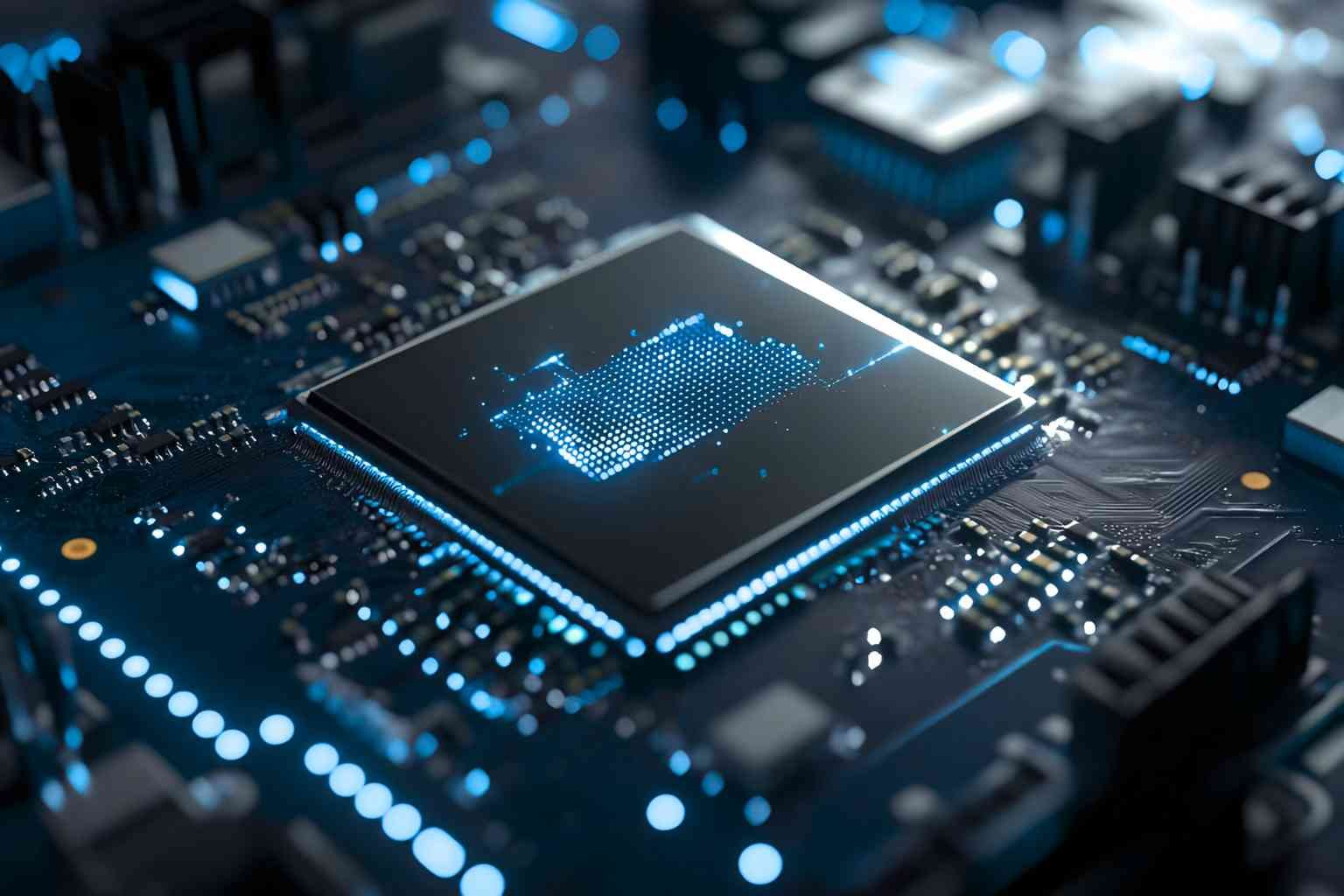
Technology gets smaller, smarter, and more connected year over year. Whether it be smartwatches, wireless earbuds, IoT sensors, or medical wearables, and more modern gadgets are expected to last longer between charging sessions. This is where ultra-low power chips become important.
Ultra-low power chips are created to use minimal energy yet still offer excellent performance. These chips drive down energy use making future devices efficient, portable, and reliable.
1. What Are Ultra-Low Power Chips
Where Ultra-Low Power Chips UsageUltra-low power chips (ULP) are semiconductor microprocessors and microcontrollers designed to consume very low amounts of power. In contrast to conventional chips, which tend to be focused on performance above all else, these were designed not only for high performance but also for energy efficiency.
They are widely used in:
- wearables
- smart home
- remote sensors
- battery-powered electronic devices
2. Why Power Efficiency Matters Today
Weight and transportability are the prerequisites of any modern day devices. Big batteries mean big devices, and in any case people need to charge them often, undermining convenience. Power efficient chips give devices longer life from smaller batteries.
This enhances the user experience and accelerates the development of microelectronics.
3. Enabling Wearable Technology
Wearable sensors including fitness bands, smartwatches monitor data like heart rate, steps and sleep patterns constantly. These functions have to run for hours at a time without depleting the battery quickly.
Ultra-low power chips help by:
- Reducing standby energy consumption
- Activating only when needed
- Managing sensors efficiently
- Powering wireless connectivity with a small drain
- Optimizing background processing
This makes wearables capable of lasting for days per charge.
4. Supporting the Internet of Things
If you do have IoT devices that are remote, they may not allow for frequent charging. Ubiquitous sensors in agriculture, smart cities and industrial monitoring systems, where long battery life is crucial.
Ultra-low power chips allow IoT devices to work for months or years without needing battery replacement.
5. Improving Medical and Health Devices
Medical wearables and monitoring devices need accurate and consistent performance. Low-power chips provide a consistent performance without sacrificing battery life.
In the healthcare industry, devices that are reliable and have low energy requirement increases patient comfort (less pain and discomfort) and also helps long term monitoring of patients.
6. Advanced Power Management Techniques
The intelligent power management is adopted in modern ultra-low power chips. Depending on task needs, they may alternate between active and sleep modes.
For example:
- Enter deep sleep when idle
- Activate quickly when needed
- Dynamically Managed Clock Speed Depending on Workload
- Reduce voltage during low demand
- Turn off unused components automatically
In this way, unnecessary energy consumption is greatly reduced.
7. Enabling Edge Computing
Instead of sending everything to the cloud, edge devices handle data right on site. This helps avoid latency and improves speed. Edge computing relies on ultra-low power chips, which can still do small jobs in the background without using too much energy.
This balance allows devices to remain responsive while saving battery.
8. Sustainability and Environmental Impact
Less power consumption is good for the environment as well. Energy-efficient devices lessen electricity demand and battery waste. Longer battery life equates to fewer replacements and less electronic waste.
Low power chips help results in a more sustainable technology ecosystem.
9. Many Challenges Designing Ultra Low Power Chips
It’s complicated to design chips that use minimal energy, while still delivering performance. Engineers have to make a careful balance between processing speed, memory and connectivity.
Common challenges include:
- Maintaining performance at lower voltage
- Ensuring reliable wireless communication
- Managing heat in compact devices
- Protecting security while saving power
Still however, innovation is an ongoing fast-paced process.
10. The Future of Next-Gen Devices
With the rise of artificial intelligence, IoT and wearables there will be an increasing demand for ultra-low power chips. Upcoming devices will feature energy friendly processors that ensure improved functionality without compromising on their battery life.
Ultra-low power technology is doing more than just improving devices.
Key Takeaways
- Ultra-low power chips reduce energy use without sacrificing performance
- They enable wearables, IoT systems, medical devices and edge computing
- Advanced power management extends battery life and improves sustainability
- Energy efficiency will remain a core innovation driver in future devices
FAQs:
Q1. What do you mean, ultra-low power chip?
This is a low-power processor, made for efficiency.
Q2. What is the role of ultra-low power chips in wearables?
They prolong battery life and allow for unstopped monitoring without recharging all the time.
Q3. How do these chips conserve energy?
They employ smart power management features such as sleep modes and voltage control.
Q4. Does IoT devices use ultra-low power chips?
Yes, they’re key for durable remote sensors and connected devices.
Q5. Ultra-low power chips: Do they help the environment?
Yes, they decrease energy consumption and prevent battery waste
