

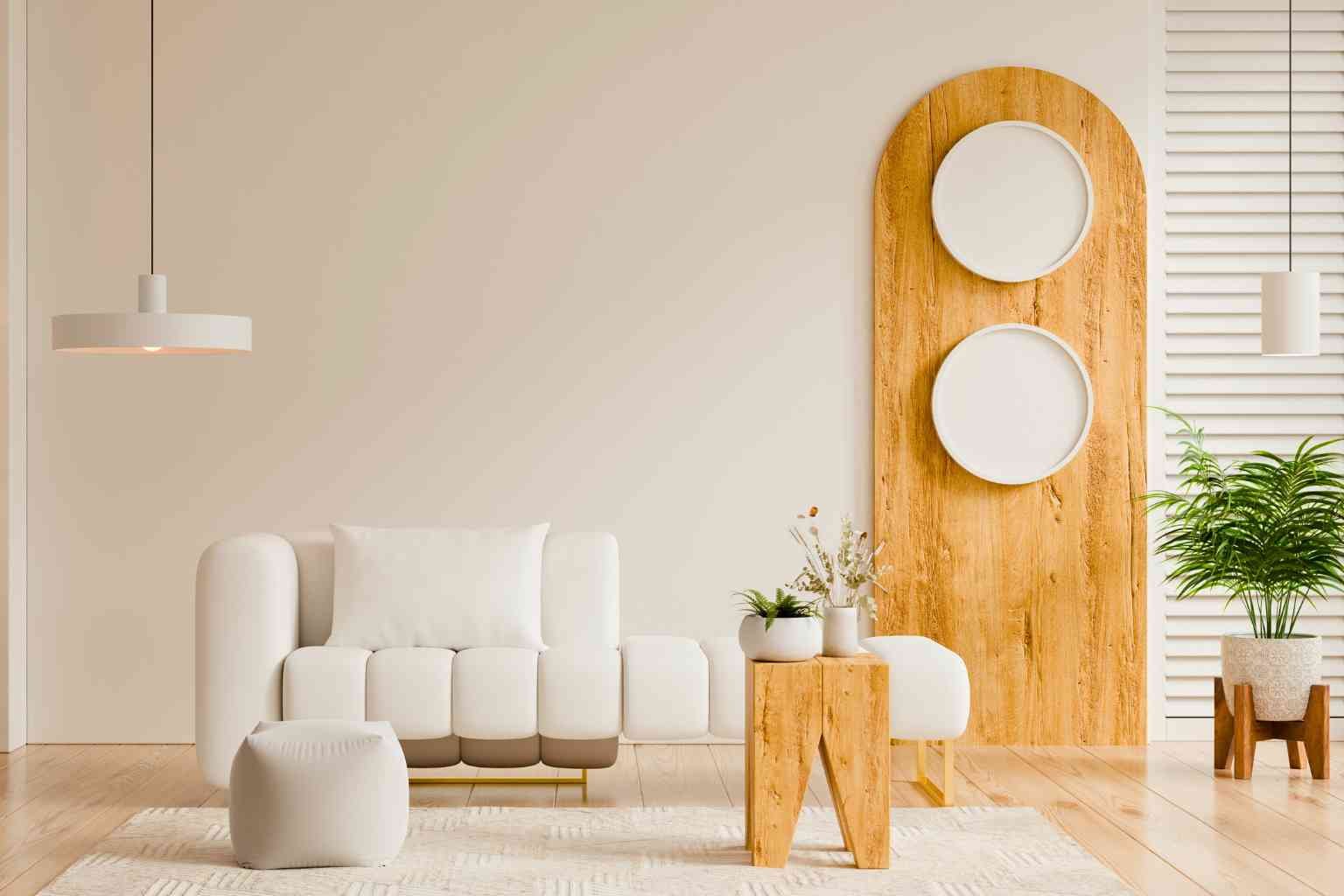
Today’s homes and apartments are more adaptable and variable. They are seeking flexible solutions in smaller apartments, remote work setups and open floor plans. Modular walls are changing the look and feel of today’s interiors by providing flexible, private, stylish work environments without the cost or lead time required for permanent construction. So that spaces can change, grow, divide for the day.
1. What Are Modular Wall Systems
Modular wall systems move easily and divide space with customizable panels. Unlike fixed walls, people install, remove, and reuse them within minutes. These systems include sliding panels, folding partitions, and track-based dividers, which adjust to different needs quickly.
2. Why Homes of the Future Must Have Flexible Plans
Today’s homes function in more than one way. A living room might need to double as a workspace, or a studio apartment could necessitate temporary privacy. Fixed walls limit flexibility. Modular walls mean layouts can be altered without significant renovation.
3. The Benefits Associated With Modular Wall Systems
Efficiency Modular walls are practical in more than one way:
- Flexible room division
- Easy installation and removal
- Improved privacy when needed
- Better space utilization
- Modern and stylish design options
These properties make them excellent for small and large homes.
4. Enhancing Privacy Without Permanent Changes
Privacy Control: One of the main benefits of modular walls. Temporary partitions can slide, fold or unfold to create a temporary barrier between spaces. Panels also can be opened when privacy is not an issue to restore openness.
5. Improving Space Efficiency
Also, in-room modular wall systems free up valuable square footage. Rather than allocating permanent square footage to a function that is only required occasionally, rooms can change function throughout the day. It’s particularly nice for small city apartments.
6. Types of Modular Wall Solutions
There are some different kinds of modular wall systems:
- Transparent sliding glass panels for dividing and separating
- Folding partitions for flexible separation
- Acoustic panels for sound insulation
- Track-mounted movable walls
- Partition and storage in one with these bookshelf dividers
Each style is designed for unique decorative and functional applications.
7. Role in Modern Work-From-Home Design
With the shift to remote work, demand for flexible interiors has risen. Temporary home offices are formed with modular walls, without disturbing the permanent lay-out. They serve for privacy during meetings and open room after work.
8. Acoustic and Thermal Benefits
Some modular wall systems have sound absorbing materials 24. These reduce the sound that travels from room to room, making these a very comfortable option. Some models even have heat insulation that is good for saving on energy.
9. Design and Aesthetic Appeal
Contemporary modular walls are available in different finishes like wood, glass, metal or fabric panels. They add to the interior style and yet, are only practical. Designers are blending them effortlessly into modern-day floors.
10. The Observer Building Industry Living In The Future
In line with that - smaller and flexible solutions will serve as viable options. Modular walls are an adaptation to a dynamic lifestyle and dynamic living spaces. Smart automation for easy reconfigurate, could be included in next designs.
Key Takeaways
- Modular walls Wall systems can change your living space the better for good.
- They allow easy room division
- Improve privacy without permanent construction
- Add space in your tight home
- Support work-from-home setups
Combine design with practicality
FAQs:
Q1. What are modular wall systems?
They’re movable or modular wall panels that divide and transform spaces.
Q2. Can I use modular walls in my small apartment?
Yes, they optimise flexibility and the use of space in abbey homes.
Q3. Are there modular walls with soundproof capabilities?
Some designs feature sound-deadening materials that minimize noise transfer.
Q4. Can modular walls be taken down?
Yes, they are easy to install and easy to voodoo.
Q5. Are modular walls expensive?
Rates fluctuate and can depend on the materials and design, but are usually more affordable than permanent remodels.
