

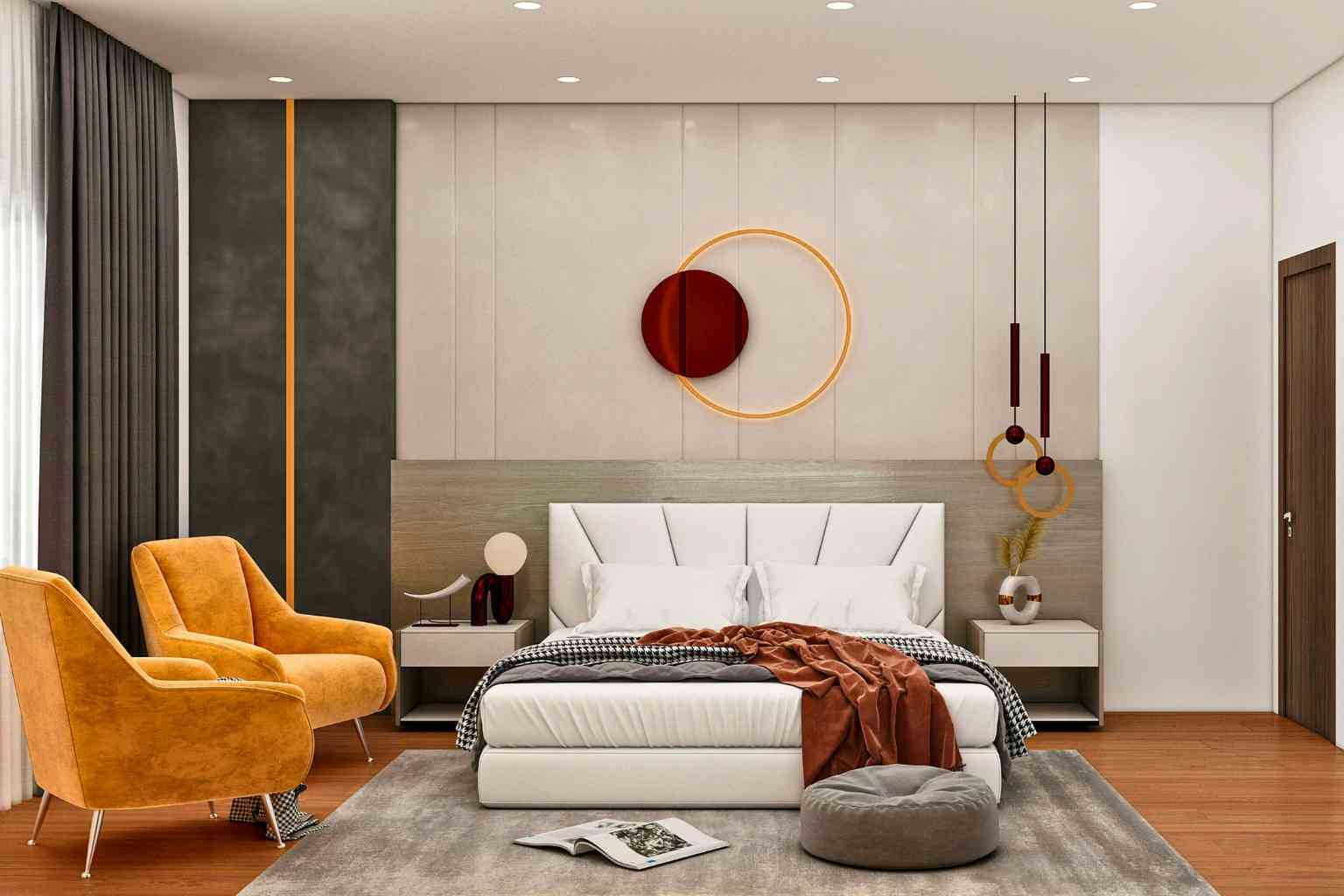
Designing homes is growing beyond the skin and skeleton. Today, comfort forms the focal point of how houses are designed and constructed. Thermal comfort is one of the most significant working aspects in present-day interiors. It describes people’s satisfaction with indoor temperature, currents of air and humidity levels. With a growing emphasis on the wellbeing and energy efficiency of buildings, thermal wellness is reshaping design considerations for homes.
1. What Is Thermal Comfort
Sensation thermique de confort is a concept that refers to the subjective idea of not being too hot or too cold within an indoor space. It’s a function of air temperature, humidity level, airflow, insulation quality and even what you’re wearing. A reputable house should be warm in winter and cool in summer.
2. Why Traditional Temperature Control Is Not Enough
The house is old, and many older homes were built with simple heating and cooling systems that did not take into account insulation or ventilation. The result was temperatures that fluctuated, drafts and high energy bills. Contemporary design is about making indoor climates uniform rather than responding to discomfort when it happens.
3. Advantages of Thermal Comfort in the Home
There are a number of benefits associated with thermal comfort:
- Improved sleep quality
- Reduced stress and fatigue
- Lower energy consumption
- Better indoor air quality
- Increased overall well-being
If it feels good, you can live and work more effectively.
4. Insulating and Building Material Properties
The house is fully insulated so the indoor temperatures keep stable. New materials minimize heat loss during winter and heat gain during summer. Improved energy efficiency and comfort are additional benefits of double glazed windows and insulation in the walls.
5. Smart Technology and Climate Control
It’s easy to keep your house or apartment the perfect temperature, thanks to smart thermostats and automated climate control. These systems learn consumption habits and adjust energy usage without a comfort penalty.
6. Thermal Balance Passive Design Solutions
What follows are three highlights of how passive design features help keep people cool and comfortable:
- Placing of windows to allow in maximum natural light
- Shade to offset solar heat gain
- Designing cross ventilation for airflow
- Incorporating thermal mass materials
- Building houses corresponding with the climate
Such measures minimize dependency on mechanical heating and cooling.
7. Importance of Ventilation and Airflow
Good ventilation avoids humidity and fares better in terms of air quality. A controlled flow of air helps keep rooms fresh and guards against uncomfortable temperature swings. Balanced vent systems provide (assist) greatly with overall comfort.
8. Energy Efficiency and Sustainability
Thermal Comfort is close to sustainability. Energy saving homes use less energy and produce fewer carbon emissions. Energy efficient building techniques include insulation, renewable energy sources and energy saving HVAC appliances.
9. Typical barriers to reaching thermal comfort
Despite advancements, some challenges remain:
- Expensive installation of modern technology
- Poorly designed ventilation
- Inadequate insulation in older buildings
- Extreme climate conditions
- Not enough knowledge about passive design
All of these problems contribute to making a long lasting home.
10. The Future of Climate Responsive Homes
Given that climate change and energy prices drive housing changes, thermal comfort will still be an important design issue. The homes of the future will incorporate smart climate systems, green building products and responsive architecture to maintain round-the-clock comfort.
Key Takeaways
Thermal comfort is transforming home design by focusing on balanced indoor temperatures and energy efficiency.
- Proper insulation improves temperature stability
- Smart systems enhance climate control
- Passive design reduces energy use
- Ventilation supports healthier indoor air
- Sustainable design strengthens long-term comfort
FAQs:
Q1. What is thermal comfort in architecture?
It means you keep the interior warm or cool but not as hot/cold as outside.
Q2. What does insulation do for thermal comfort?
It protects against heat loss and minimises temperature changes.
Q3. Do you actually need smart thermostats for comfort?
They are useful, but not required. Good insulation and high-quality ventilation also make a big difference.
Q4. Is it possible for a passive design to be more affordable in terms of energy?
Yes, passive approaches reduce reliance on mechanical systems.
Q5. Does sustainability and thermal comfort have any relationship?
Yes, energy-efficient homes go a long way in easing up on the environment while making you comfortable.
