

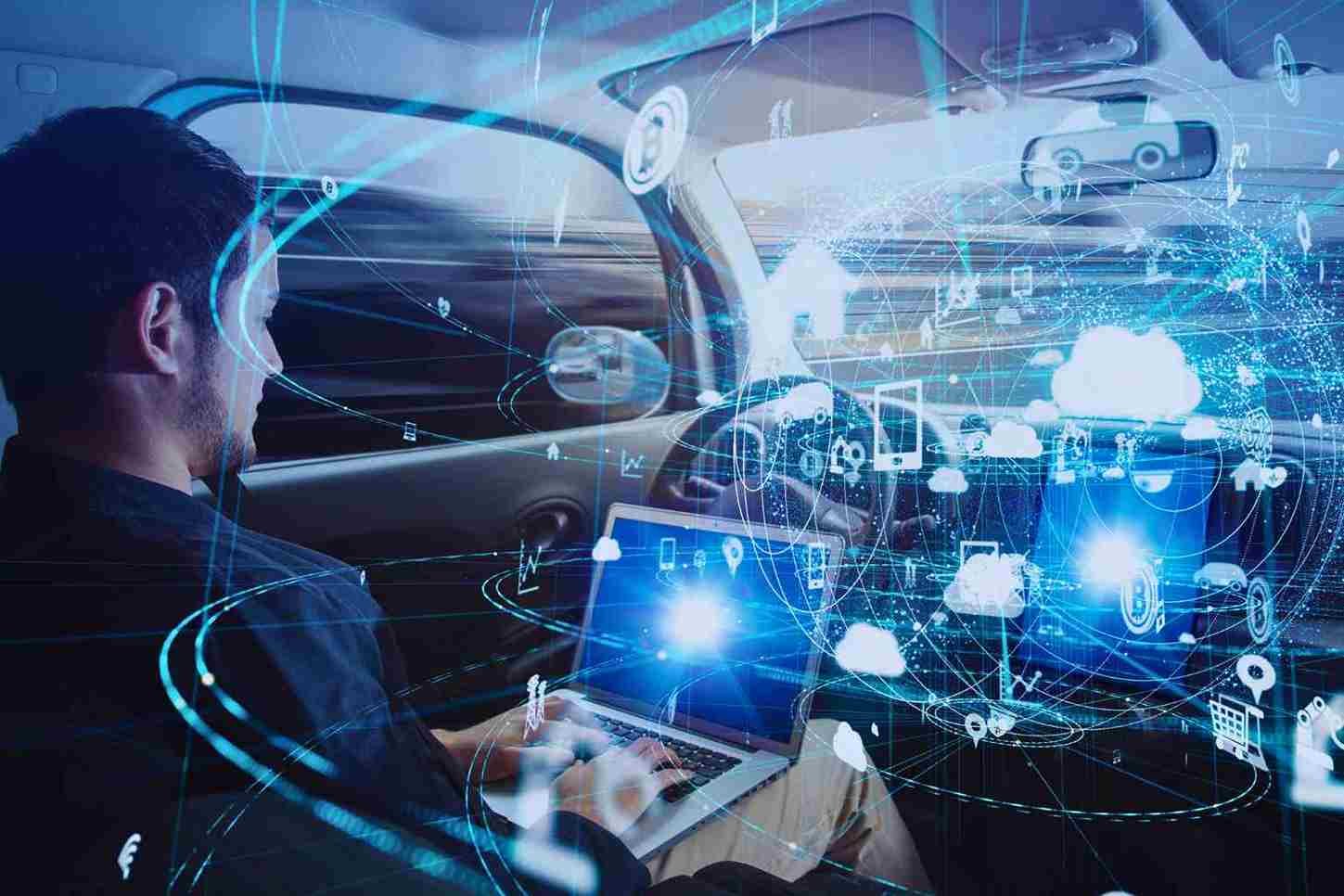
The era is coming for the automotive industry, in which vehicles can not become disconnected to machines on road. Cars now communicate to traffic lights, road sensors, parking systems and even one another. This communication allows for enhanced security, traffic management, and driver satisfaction. The technology powering this exchange is commonly referred to as vehicle-to-infrastructure communications, which is sometimes a component of a larger one known as V2X. Connected vehicles: The internet of things on wheels As smart cities work to be more connected, autonomous and tech-friendly, the technology that supports them must follow suit.
1. What Is Vehicle-to-Infrastructure Communication
Vehicle-to-infrastructure, or V2I, is a technology that enables cars to communicate with roadside devices. Among these are traffic lights, highway detectors, toll booths and smart parking meters. The car transmits signals about its speed and position while tens of other cars exchange information with it about traffic or road conditions.
2. Why Infrastructure Communication Matters
Meanwhile, conventional traffic management is always based on the fixed timing of an observation and human control. Connect communication means real-time data can be used to make real time changes. For instance, traffic lights can be optimized approaching the traffic to reduce congestion and increase fuel efficiency.
3. Technologies That Enable Communication
Communication methods used by connected cars :
- Dedicated short-range communication systems
- 5G and 4G cellular networks
- GPS for location tracking
- Onboard sensors and radar systems
- Cloud-based data processing platforms
These two technologies allow information to be sent and processed in real-time.
4. Real-Time Traffic Signal Coordination
An important V2I application is the coordination of traffic signals. Smart traffic lights get information beamed in from vehicles as they approach an intersection. The system can optimize the timing of a signal to improve traffic flow or expedite emergency response vehicles.
5. Safety Improvements Through Road Alerts
Infrastructure sensors sense road issues like accidents, icy roads or a construction zone. The information is then passed on to other cars connected in the area. Drivers are given real-time warnings that can help avert crashes.
6. Steps in the Communication Process
The communication in the connected car is as follows:
- Onboard sensors on the vehicle capture data,
- ITS data are sent to roadside facilities
- Infrastructure processes the information
- Traffic systems change signals or send notifications.
- Recent information is sent back to vehicles
This cycle guarantees that roads improve in efficiency over time.
7. Role in Smart Cities
And connected cities rely on smart transportation systems that are driven by data. Connected cars participate by providing traffic and environmental data. With this information, city planners can control traffic flow and Reducing Emissions along with optimizing public transport routes.
8. Benefits for Drivers and Communities
The discovered benefits of connected infrastructure communication include:
- Reduced traffic congestion
- Improved fuel efficiency
- Faster emergency response
- Lower accident rates
- Better parking management
Those benefits add to the driving enjoyment of the individuals and keep the whole urban mobility on a high level.
9. Challenges and Security Concerns
However, the promising communication of connected objects also encounters some issues:
- Cybersecurity risks
- High infrastructure upgrade costs
- Compatibility across different vehicle brands
- Data privacy concerns
- Dependence on strong network connectivity
These issues need to be addressed for mass acceptance.
10. The Future of Connected Mobility
Connected car communication will become more sophisticated as 5G networks proliferate, along with further investments in smart infrastructure. Next-generation systems could provide driverless car systems, traffic-prediction models or real-time environment monitoring. The fusion of cars with the road system is defining the future of safe and intelligent mobility.
Key Takeaways
Connected vehicles dialog with roadside technology to enhance both safety and mobility.
- V2I enables real-time data exchange
- Smart signals reduce congestion
- Hazard alerts improve road safety
- Smart cities gain from traffic statistics
- Both security and compatability are major issues
FAQs:
Q1. What is V2I communication?
It refers to the communication between vehicles and roadside infrastructure facilities.
Q2. How can connected cars help ease traffic?
They offer up data so that traffic signals can adapt in real time.
Q3. Is V2I technology safe?
It makes transportation safer while also offering more surfaces that require robust cybersecurity.
Q4. Will all cars be able to communicate with the infrastructure?
Right now, only connected cars (or smartcars) have this ability.
Q5. Will cars be connected for autonomous driving?
Yes, infrastructure can be a part of Futur autonomous system communication.
