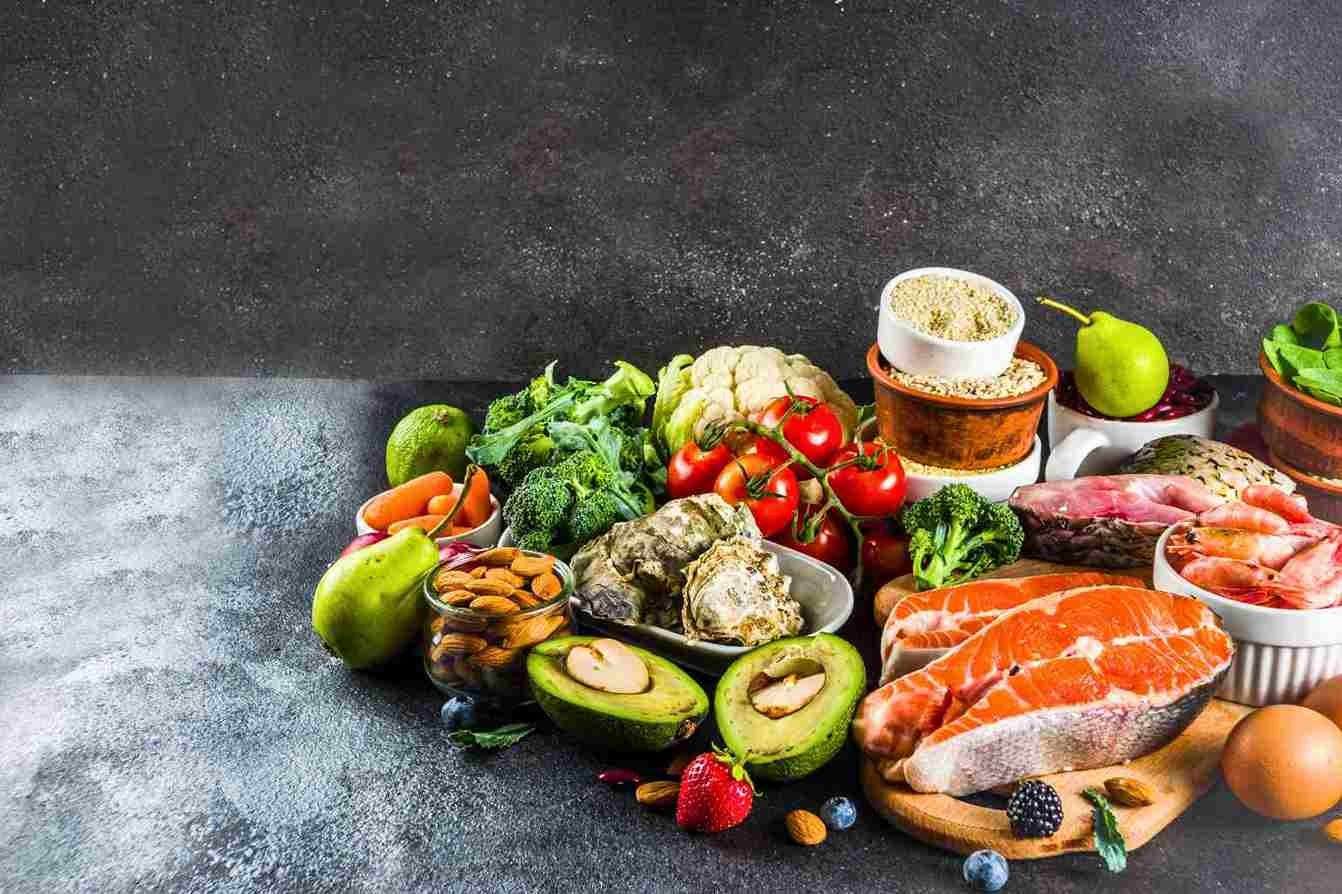
Beyond taste and price, food choices are now also about values. Now, many shoppers take into account environmental impact, sourcing practices and ethics of production. As more ingredients become available, sustainability is becoming a significant factor in how people choose meals both at home and away from home. Sustainability is a growing influence on food choices, from plant-based proteins to locally sourced produce.
1. What Are Sustainable Ingredients
Sustainable ingredients are foods grown or made in ways that do not harm the land, shortchange workers or use up natural resources. This includes organic crops, sustainably harvested seafood, plant-based proteins and land-friendly ingredients.
2. Why Consumers Care About Sustainability
Increasingly people are aware of climate change, water scarcity and pollution which has transformed buying behavior. People understand now that food production has an impact on the planet. Eating sustainable ingredients is an easy way for people to make small and impactful choices in their daily diets that minimize their ecological footprint.
3. Environmental Benefits of Sustainable Sourcing
Ways in which sustainable ingredients reduce strain on the environment:
- Lower greenhouse gas emissions
- Reduced water usage
- Protection of soil quality
- Preservation of biodiversity
- Decreased food waste
Such practices ensure long-term ecological equilibrium.
4. Rise of Plant-Based Options
As people are more aware about environmental impact, plant-based has become a hot trend compared to animal-based ingredients. Plant proteins like lentils, beans and tofu take far fewer natural resources to produce. This change is affecting menus, grocery stores and packaged food products.
5. The Value of Eating Local and Seasonal Foods
When food comes from local farms, transportation emissions are lower and helps support farmers closer to home. Seasonal produce generally needs fewer synthetic methods to grow and nourishes existing cycles. In this way, freshness is preserved while sustainability is encouraged.
6. Factors Influencing Sustainable Food Choices
A few reasons that let consumers opt for sustainable ingredients:
- Clear labeling and certifications
- Transparency in sourcing practices
- Increased availability in supermarkets
- Restaurant menu awareness
- Education about environmental impact
These are influencing more sustainable options.
7. Ethical and Social Considerations
Fair labor conditions and animal welfare are also part of sustainability. It assures farmers and workers are treated fairly. Brands that practice social responsibility are becoming ever more important to consumers.
8. Impact on Food Industry Innovation
Food companies are pouring money into alternative proteins, sustainable packaging and regenerative agriculture. As innovation lowers the environmental footprint without sacrificing tastiness and price. It is now a competitive advantage in the marketplace.
9. Challenges in Adopting Sustainable Ingredients
Despite increasing demand, a few challenges persist:
- Higher production costs
- Limited supply in certain regions
- Consumer price sensitivity
- Certification complexity
- Misinformation about sustainability claims
Addressing these challenges requires a concerted effort between producers, governments and consumers.
10. The Future of Food Systems: Sustainable Versus Standard Solutions
Over the next few years, sustainable ingredients will likely be mainstream. The increasing awareness about environmental beliefs and advancement of technology will lead towards more environmentally friendly; resource encompassing food systems. Global sustainability goals will be reflected in everyday food choices more and more.
Key Takeaways
- Modern food trends are also being influenced by sustainable ingredients, which encourage environmental responsibility and ethical sourcing
- Plant-based foods reduce environmental impact
- Local sourcing supports communities
- Certifications guide informed choices
- Innovation drives sustainable alternatives
- Food systems of the future driven by consumer awareness
FAQs:
Q1. What are sustainable ingredients?
When we talk about sustainable food, they’re foods that are produced in ways that are environmentally responsible and ethical.
Q2. Why are plant-based foods deemed sustainable?
They usually demand less of the planet’s resources and generate less pollution.
Q3. Why does local sourcing contribute to sustainability?
It cuts down on transportation emissions and helps local farmers.
Q4. Are sustainable foods more expensive?
Some are more expensive due to production methods, but they’re becoming more widely available.
Q5. How do consumers determine which products are sustainable?
Seek certifications, clear labeling and reliable sourcing information.