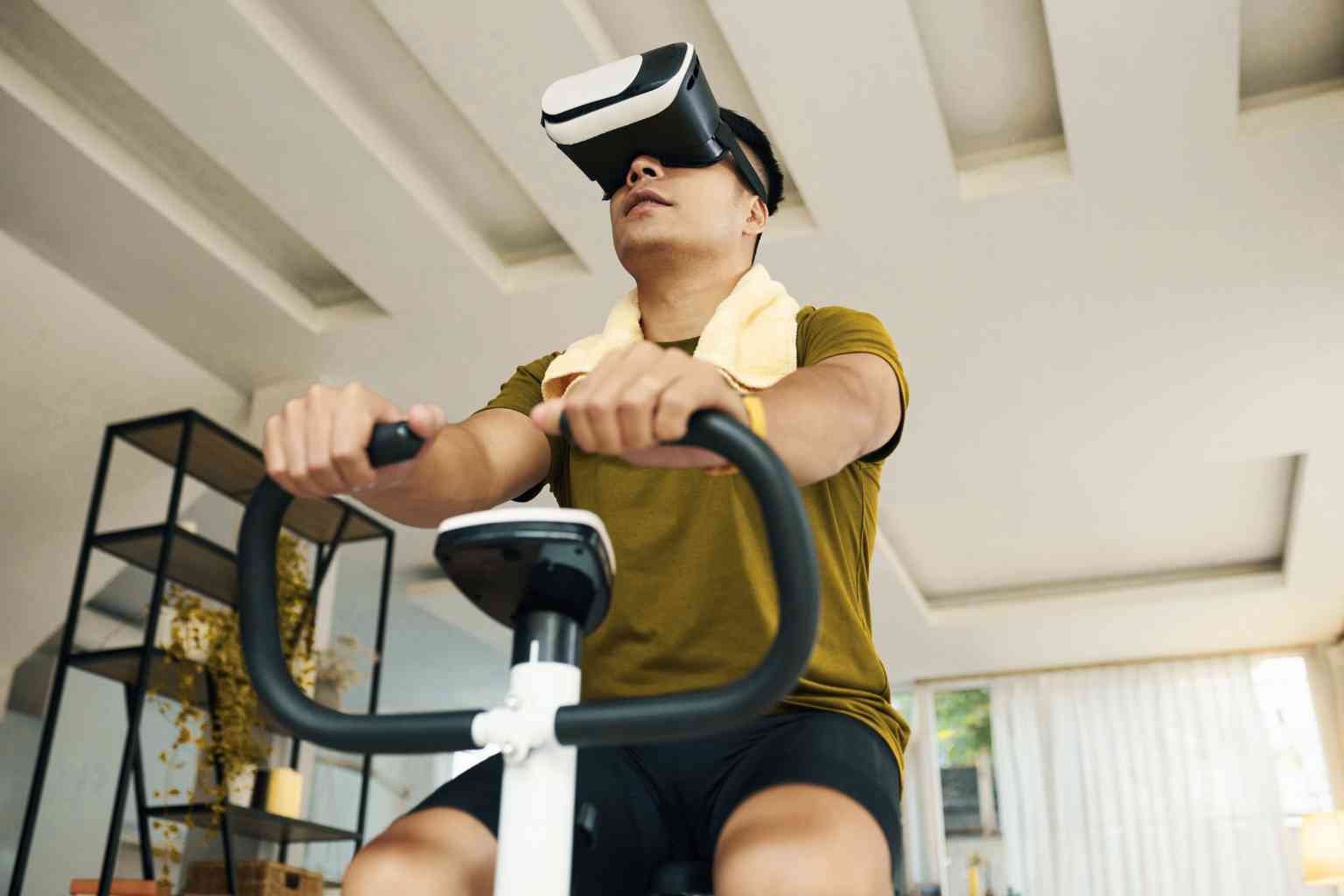
Training has gone beyond classrooms, physical workshops or on-site practice. Across industries, technology is changing the way people learn skills. Virtual training environments are transforming into disrupting solutions that recreate real-life situations in virtual platforms. A virtual learning environment is an environment that allows the utilization of technologies like Virtual Reality, Augmented Reality, and interactive simulations to deliver immersive experiences. Instead of reading direction, learners can practice tasks safely and in a controlled manner digitally.
1. What Are Virtual Training Environments
Virtual training environments are computer generated settings that recreate real-world scenarios. A flexible UI that allows users to touch digitized versions of tools and machines, or digitally sample real environments.
Such systems are commonly used across health care, aviation, military, manufacturing and corporate education.
2. Why Traditional Training Methods Are Changing
Conventional training can be expensive, hazardous and/or have low practice time. For example, you need controlled environments and expensive equipment for training pilots or surgeons.
Virtual simulations minimizes the risk while providing learners with an opportunity to revisit and practice more complex tasks.
3. Immersive Learning Improves Skill Retention
The research says active learning strengthens memory. Simulated scenarios involve learners interacting with them, and when they interact, they get more involved.
Virtual environments enhance retention by:
- Allowing hands on practice
- Providing real time feedback
- Reinforcing practice without real world feedback
- Creating realistic stress simulations
- Adapting difficulty levels
It leads to deeper understanding and confidence.
4. Cost Efficiency and Scalability
It helps organizations train huge numbers, unhindered by location. After creating virtual trainings modules, they can be replicated with low marginal cost.
Travel costs, equipment wear and scheduling bottlenecks are eliminated.
5. Training without Risk: For High Risk Industries
Industries like aviation, healthcare, construction and defence utilize simulation based learning to a large extent.
For example:
- Surgeons practicing complex procedures safely
- Pilots can simulate emergency landings
- Workers can get trained to handle dangerous situations
- Military personnel can rehearse operations
- Engineers can test machinery operations
Realism is retained as virtual training removes real-world danger.
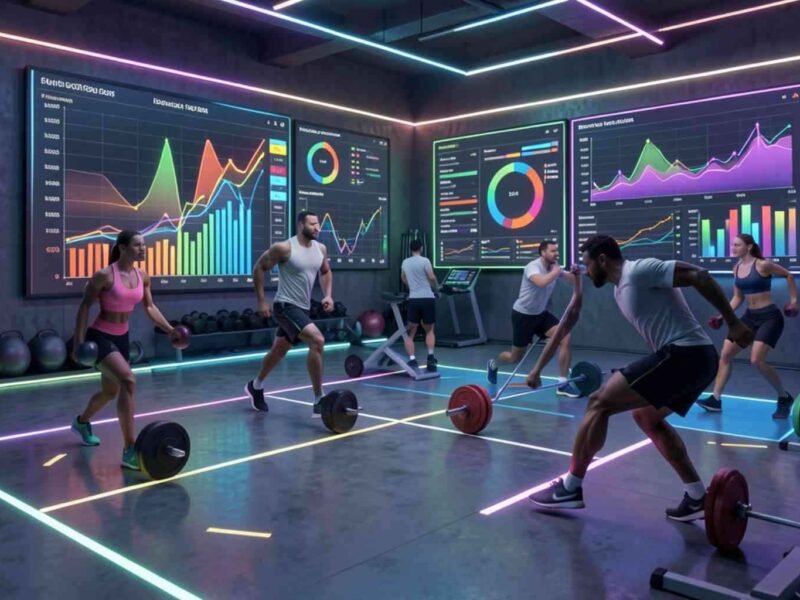
6. Real Time Performance Tracking
Most modern virtual systems will gather performance- and usage-related information. Trainers can study reaction time, accuracy, and patterns of decision making.
This is targeted improvements and personalized development plans based on data driven feedback.
7. Integration With Artificial Intelligence
Artificial intelligence is used in virtual training to personalize scenarios according to the performance of the learners. AI systems can create and simulate random conditions to see how decision making falls under pressure.
This method of dynamically adjusting results makes the system more realistic and effective.
8. Remote Accessibility and Global Collaboration
Abstraction also allows you to train on different locations in virtual environments. Virtual space will allow teams from across nations to work out of the same simulated place.
This increases access to high quality training irrespective of geography.
9. Challenges and Adoption Barriers
Despite advantages, some challenges remain:
- High initial development costs
- Need for advanced hardware
- Technical learning curves
- Data security concerns
- Resistance to change
But costs of technologies keep decreasing as adoption and scaling up have been growing.
10. The Future Outlook
With decreasing prices of virtual reality devices and increasing internet speeds, the idea of virtual training environments will become widespread. Sectors will blend immersive simulations with traditional methods for holistic learning.
The future of training is all about combining digital immersion with human guidance for a safer, smarter way to higher abilities.
Key Takeaways
- The Virtual training environment, Improves training through examples and one to one instantaneous Feedback or real time examples for each attempt of the trainee in a completely safe environment
- They lower costs, improve retention and insurance for high risk industries
- Virtual training is going to take center stage in the future, as AI and VR technologies get more sophisticated
FAQs:
Q1. What is a virtual training environment?
It is a digital model for safe hands-on learning of real-world tasks.
Q2. Which industries use virtual training?
It is employed in healthcare, aviation, military, manufacturing, and corporate sectors.
Q3. Are we better off with virtual training than the old methods?
It can improve retention and safety but is most effective alongside traditional guidance.
Q4. Do you need any fancy equipment for virtual training?
Even though initial set up might be expensive, prices have been coming down.
Q5. But does that mean virtual training will wholly take the place of physical training?
It will probably serve as a supplement, not a wholesale replacement, for traditional ways.