World housing markets are changing. Soaring real estate costs, an exodus from the countryside to cities and shifting lifestyles have all contributed to demand for customizable living spaces. One significant trend driving this change is the rise of built-to-rent schemes. The key disparity from standard property development is that these are not homes built to sell, copy lineare-expand-contentitem-hateoasقارن si-copy Build-to-rent projects are buildings specifically designed for the long-life rental sector. It’s a model that is revolutionizing residential property and it’s piqued the interest of both investors and tenants.
1. What Is Build-to-Rent Housing
Build-to-rent, or BTR, is housing that is built to be rented rather than for private sale. These types of developments are typically fully owned and controlled by a single entity (e.g., a real estate owner/developer or institutional investor). The focus is on professionally managed rental communities.
2. Why Are People Renting More and Buying Homes Less
There are many reasons why the shift toward renting is happening. Not everyone can afford to own a home owing to the Christchurch house prices. Flexibility and mobility are also playing on the minds of younger generations. It is also less commitment and mobility without the burden of permanent jobs ties or lifestyle changes.
3. Key Features of Build-to-Rent Communities
There’s much to love about build-to-rent developments, which are often brimming with amenities that distinguish them from traditional rental units:
- Such offerings include gyms and coworking spaces, as well as services such as dry-cleaning and apartments for rent by the night
- Professional property management
- Flexible lease options
- Community-focused shared spaces
- Maintenance services included
These features make renting an easier and more enjoyable experience.
4. Benefits for Tenants
Reputation for being a well maintained with good service and managment. Maintenance requests are handled with professionalism and the amenities make it a breeze to call this place your own. Purpose-built rental communities are designed to foster a sense of community, too, which promotes healthy socializing.
5. Advantages for Investors and Developers
Build-to-rent offers several financial benefits:
- Stable long-term rental income
- Less risky in terms of vacancy due to demand
- Economies of scale in management
- Increased property value over time
- Diversification of investment portfolios
And there’s something institutional investors like about this model, Howard said it has a bit of predictability around the cash flow.
6. Urban and Suburban Expansion
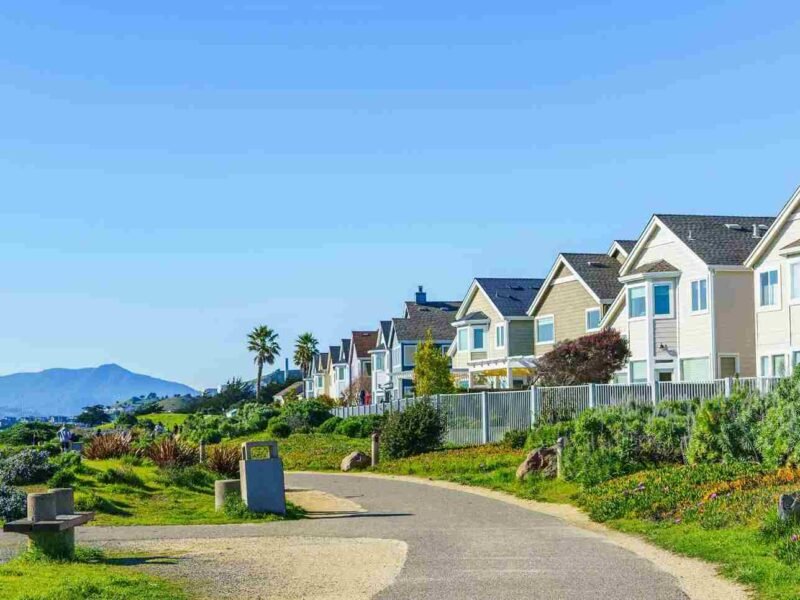
The initial build-to-rent models were much more focused on big cities; now, they are moving out to the suburbs. Demand for planned communities is growing as families seek to stake a claim in rental homes with more space. Developers are responding with communities built for renters in mind, rather than individual units.
7. Role of Professional Management
A key benefit of build-to-rent housing is professional management. It’s owner-operated for operations, maintenance and tenant services. This increases efficiency, and an equitable standard of living compared to separate rental units with individuals as the landlords.
8. Challenges Facing the Model
Here are some of the other challenges for build-to-rent housing:
- High initial development costs
- Regulatory and zoning complexities
- Market fluctuations
- Competition from traditional rental markets
- Need for long-term capital commitment
These are the issues upon which we need a solution for any sustainable growth.
9. Impact on Housing Markets
Build-to-rent developments can also increase the supply of rentals and yield a better housing option. But some critics argue that if investors own these properties in large numbers, it could undercut affordability. Moderately higher regulation and discipline are essential to sustain an organized market.
10. The Future of Build-to-Rent Housing
Build-to-rent stock is expected to rise in the coming years as urbanization continues and lifestyles evolve. Modern conveniences and relaxing luxuries go above, beyond, below and above then beyond. Whatever you need for your life toasty warmth anything else despite. Developers and policy makers will almost certainly refine this on the fly to include in a couple of years RequiresLTE.
Key Takeaways
- Build-to-rent projects are constructed for the purpose of acting as long-term rented accommodation
- Typically, they provide professional management and shared services
- Renters get flexibility and community living
- They offer investors a reliable, steady stream of rental income
- The model is anticipated to increase as urbanization continues
FAQs:
Q1. What is build-to-rent housing?
It’s housing for rent, not for sale.
Q2. Why is build-to-rent becoming popular?
Its rise is a consequence of rising home prices and demand for flexibility.
Q3. Who owns build-to-rent properties?
They are usually owned by real estate companies or institutional investors.
Q4. Is a build-to-rent house costlier than another rental?
Prices fluctuate, and some extra services may also push the price of renting up a bit.
Q5. Is build-to-rent suitable for families?
Yes, many of the suburban build-to-rent communities are geared toward families.