Contemporary interior design is not just about how the space looks. These days, how a space sounds is as important. Open floor plans are much more common now, and home offices, homework stations and multipurpose rooms make controlling noise a top concern. The result is acoustic design in contemporary interiors. Acoustic planning for better hearing, less noise emission and more pleasant living and work surroundings.
1. What Is Acoustic Design
Acoustic design is the process of planning and designing equipment, construction and architecture to achieve the best sound quality within the environment. It concentrates on minimizing echo, stemming sound leakage, and enhancing voice clarity. This is not unusual and can be done with materials, layout changes, or specially designed noise absorbing components.
2. Why there is a worry about noise
Background noise levels have gone up due to urban life, working remotely and shared spaces. Hard surfaces, including glass, concrete and tiles reflect sound a recipe for noisier rooms. Without effective sound containment, spaces can be stress inducing and distracting.
3. The Advantages of Acoustic Design in Today’s Spaces
There are practical and emotional benefits to being attentive to the way that spaces sound:
- Reduced echo and background noise
- Improved focus and productivity
- Better speech clarity during conversations
- Enhanced privacy between rooms
- More relaxing and peaceful environments
These are all the benefits that render acoustic planning necessary for both homes and work places.
4. Acoustic Solutions for Residential Interiors
In homes, draperies, soft furnishings, rugs and curtains can help soak up sound. Bedrooms enjoy the quiet of noise reduction and optimal sleep. If you have living room where musicians play and television occurs as well with sound systems in the room, then sound distribution at this room needs to be balanced otherwise will echo.
5. Importance in Workspaces and Offices
Bad acoustics in offices lead to poor attention and speech intelligibility. Acoustic ceiling panels, wall treatments and sound-absorbing partitions boost productivity. Excess sound can be an issue for conference rooms where confidentiality and clearly heard conversation are important.
6. Materials Commonly Used in Acoustic Design
Contemporary Interior Surfaces There are a number of different materials that designs are made from to aid in the control of sound:
- Fabric-covered acoustic panels
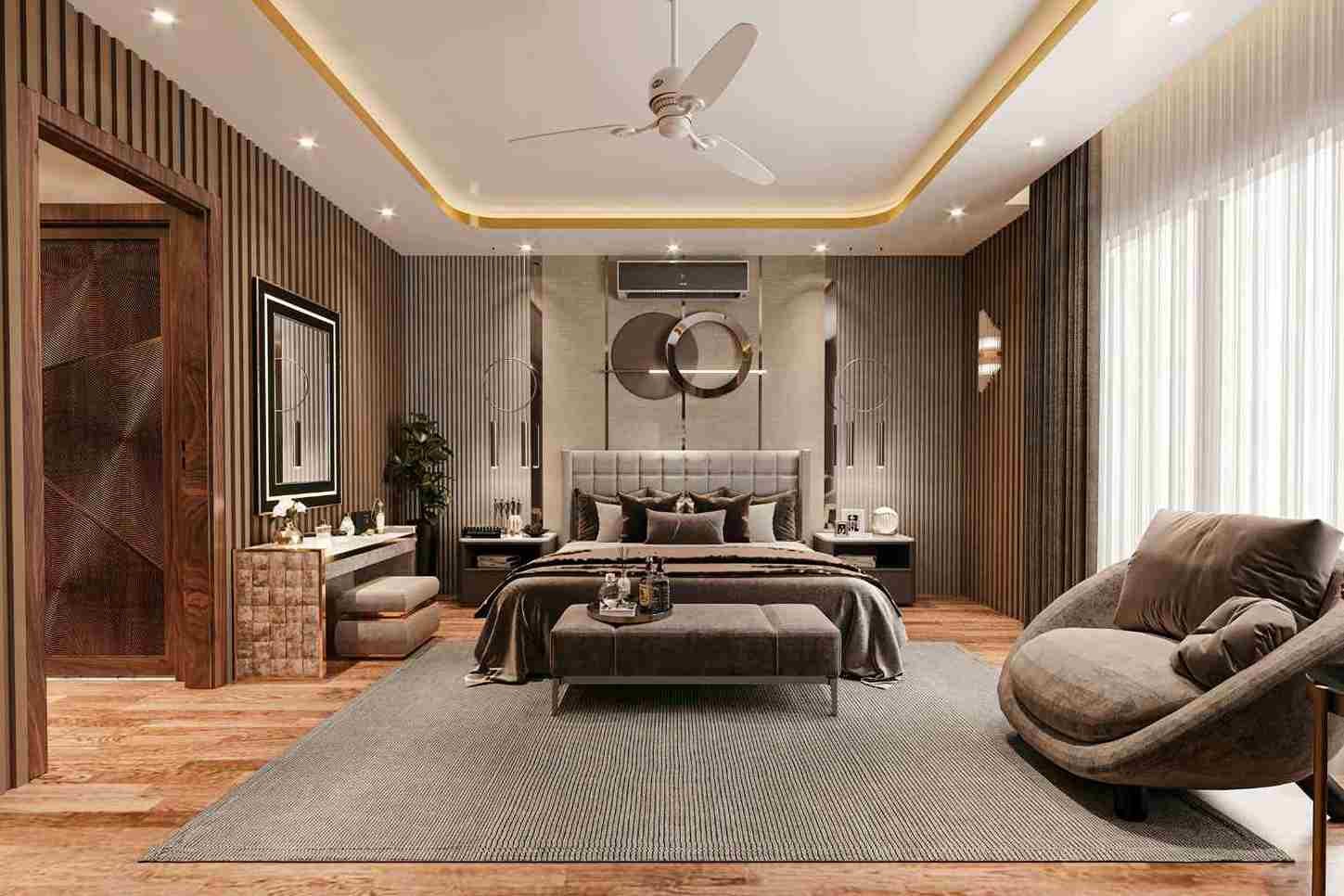
- SoundProof Wood Slat Panels With Soundproof Backing
- Foam-based sound absorbers
- Carpets and upholstered furniture
- Acoustic ceiling tiles
Function meets aesthetics in these materials.
7. Making Your Home Acoustically Comfortable
Here are a few steps you can take to improve the sound quality in your space:
- Bring in textiles like rugs and curtains
- Install wall-mounted acoustic panels
- Use shelves to diffuse sound waves
- Make certain doors and windows are properly sealed
- Choose furniture with sound-absorbing fabrics
It’s amazing, but this basic-preventative distracts from quite a bit of unnecessary noise.
8. Acoustic Design and Mental Well-Being
Too much noise creates stress and lack of comfort. But if you do it right, acoustic treatment is peace and concentration. In homes, it improves relaxation. It aids productivity and lessens fatigue in the working environment.
9. Balancing Aesthetics and Functionality
Contemporary rendition of acoustic offerings come in a sleek look and feel. Ornamental panels, textured walls, and more style acoustic covers can be an integral part of modern décor. Acoustics can now be incorporated as part of the design without sacrificing aesthetics.
10. The Future of Acoustic Interiors
This is because as open spaces will be the norm in architecture, while pervasive acoustic design will become simply necessary rather than optional. Smart materials and sustainable sound-absorbing products will change the face of interior planning in the future.
Key Takeaways
Acoustic design is part of a revolution that’s changing interiors by enhancing comfort, not just through the visual.
- Noise reducer for improved concentration and relaxation
- Soft materials decrease echo and sound reflection.
- Work spaces enjoy enhanced clarity of speech
- Stylish yet practical decorative acoustic panels
- The interiors we design of the future will have sound high on the agenda.”
FAQs:
Q1. What is interior acoustic design?
It is the practice of controlling sound within a space using materials and layout planning.
Q2. Why is the home acoustic design significant?
It makes less noise, it is more comfortable, and you relax better.
Q3. Can acoustic panels be decorative?
Yes, acoustic panels these days look good.
Q4. Does acoustic design improve productivity?
Yes, lower noise can help with focus and communication.
Q5. Does acoustic programming work only in big spaces?
Nope, not even small spaces are going to be of any use without good sound control systems.