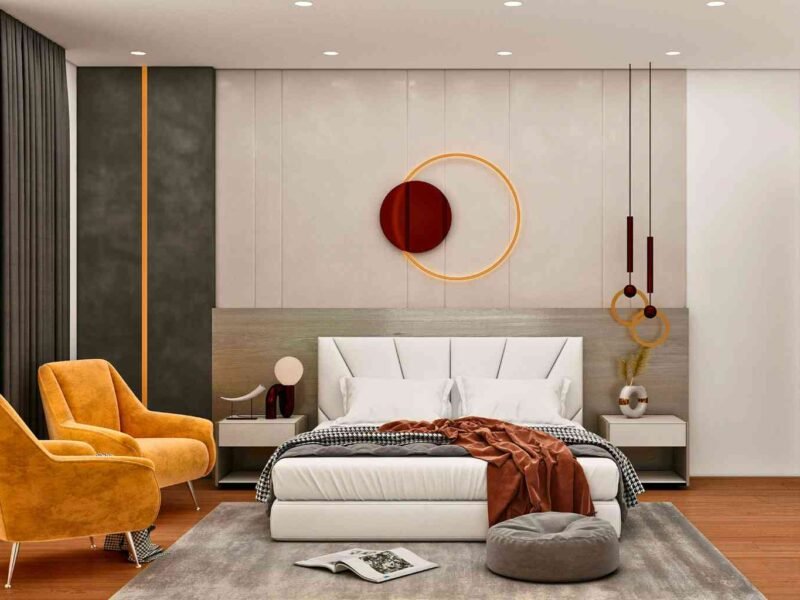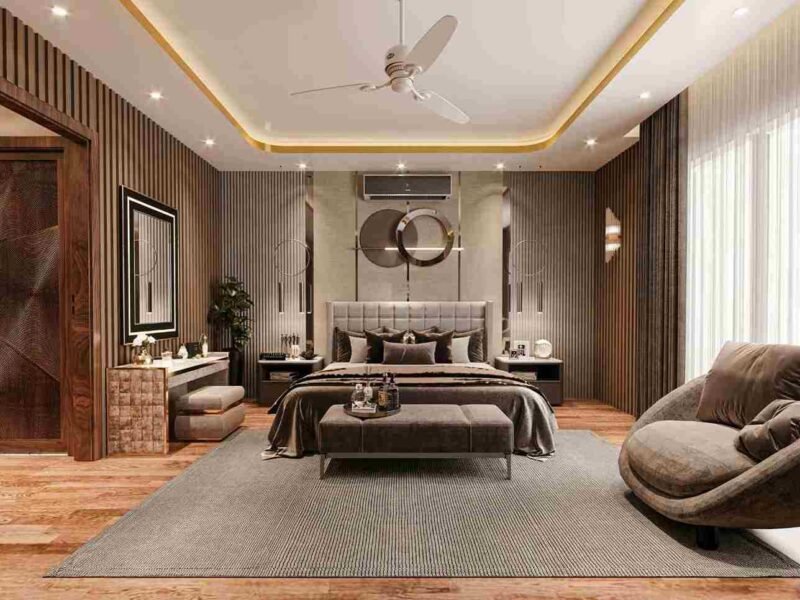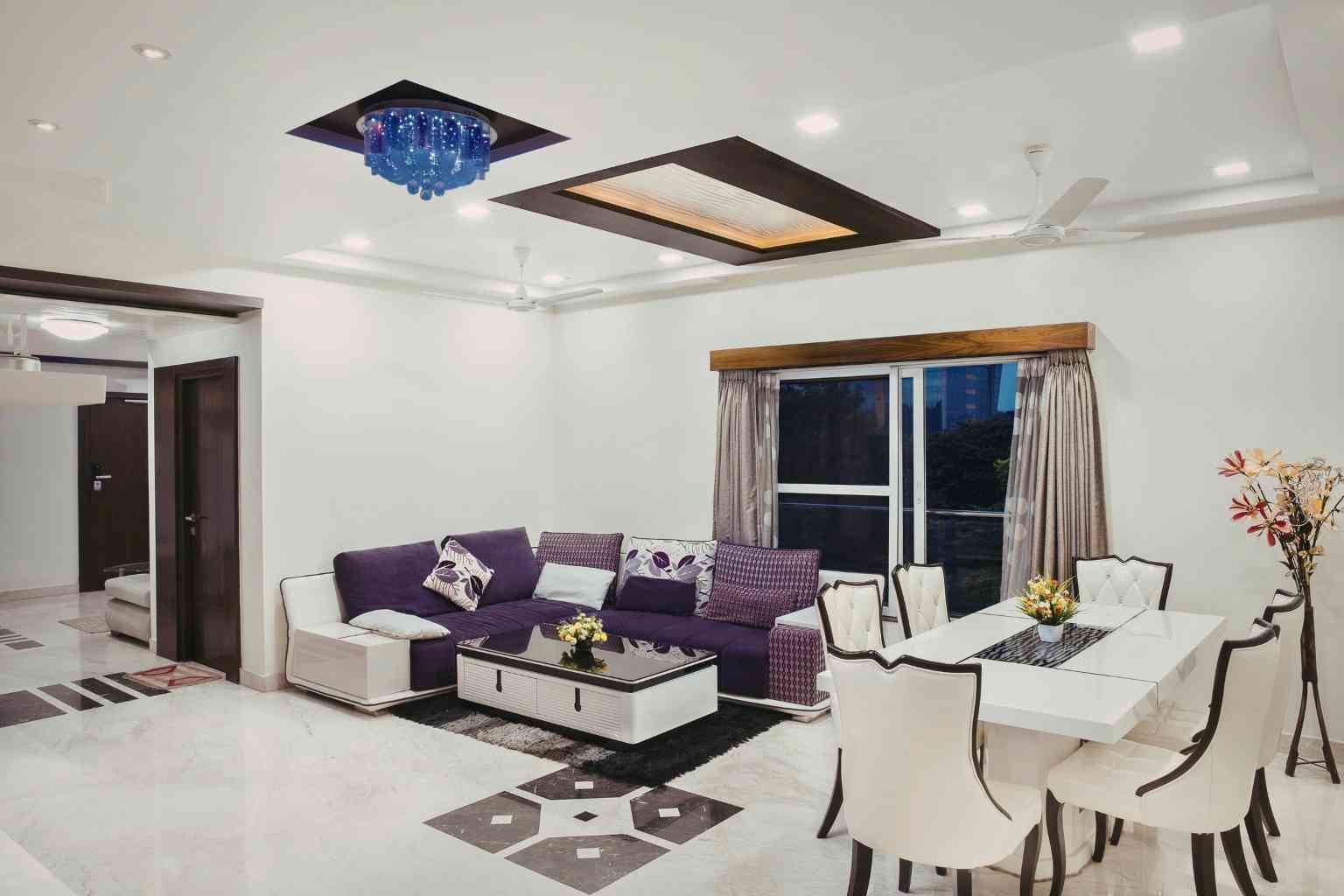
For decades, ceilings were painted white and neglected. Most homeowners dress up their walls, flooring and furniture but leave the ceiling plain. Today, that trend is changing. In contemporary interiors, ceiling design has evolved into one of the most significant aspects to a room’s overall appearance.
Designers now consider the ceiling the “fifth wall” in a room. With inventive materials, lighting and textures, ceilings are shifting from neglected planes to potent focal points that frame the entirety of a space.
1. A New Way of Thinking through Interior Design
From basic decoration, interior design has ultimately developed into fully-fledged spatial planning. Every surface now matters. With a growing trend toward more personalized homes, people are looking for unique touches to help their space shine. Ceilings provide an expansive blank canvas that can completely alter the vibe of a room.
Ceilings no longer fade into the background; they are meant to draw attention.
2. Open Layouts Highlight the Ceiling
Many modern homes are built with an open floor plan and fewer walls. In those types of layouts, the ceiling is more visible and plays a bigger role. Ceiling height designs create a sense of space and define the living, dining and kitchen areas in large open layouts without having to use physical dividers.
It gives form to nonstructured spaces.
3. Lighting Makes Ceilings More Dramatic
Light is a huge contributor to making ceilings beautiful. Cove lighting, recess lights and LED strips add depth and dimension. In place of one central light, layered lighting designs accentuate patterns and textures in the ceiling.
Lighting turns an ordinary ceiling into an architectural detail.
4. False Ceilings Provide Depth and Style
Typically false ceilings, also referred to as dropped ceilings are a common feature in contemporary houses. They allow designers to layer the designs and conceal wiring or duct systems. False ceilings provide a contemporary and polished feel to the space with their creative shapes, angles, sharp lines.
They combine practicality with elegance.
5. Materials That Elevate Ceiling Design
The ceiling is no longer just for paint. Today, different materials serve to increase aesthetics:
- Wooden panels for warmth
- Metal finishes for industrial style
- Decorative plaster patterns
- Fabric or acoustic panels
- Wallpaper for artistic detail
Each material lends the room its unique character.
6. This Is How Color Is Changing Ceilings
Although white ceilings are still the most common, where they go bold and contrasting colors seem to be gaining popularity. Dark-topped ceilings create a cozy ambiance, while soft pastels bring sensitive charm. Ceiling color matching with furniture or decor creates balance in the interior.
Color selection plays a huge role in altering the atmosphere of a space.
7. Ceilings Influence Room Proportion
Creative ceiling design can change the way we perceive room sizes. Vertical lines give the illusion of height to a ceiling; horizontal patterns provide breadth. These techniques allow designers to create better spatial perception, particularly in small homes.
This means ceiling design is aesthetic as well as practical.
8. Technology Is Driving Innovation
Advanced lighting systems and smart home integration are making ceilings increasingly dynamic. Features include:
- adjustable lighting brightness
- color temperature control
- hidden speakers
The comfort of adjustable lighting brightness, color temperature control, and hidden speakers is also part of the entertainment.
With new technology, ceiling design possibilities have expanded.
9. Common Ceiling Design Mistakes to Avoid
While ceiling design is impactful, mistakes can make it less effective:
- Overcomplicating with too many patterns
- In short, dark colors in rooms with low ceilings
- Ignoring lighting placement
- Using materials that do not suit the interior theme
- Neglecting maintenance needs
A well-balanced design helps the ceiling to emphasize rather than overwhelm a space.
10. Why Ceiling Design Will Continue to Grow
Ceilings will continue to be a major focal point as homeowners demand uniqueness and a complete design experience. “Verticals give you creative freedom without taking up floor space.” But contemporary ceiling design, now made easy with evolving materials and creative lighting solutions, is becoming a fixture of modern interiors no pun intended.
What used to be overlooked is now rests as one of the most glamorous components in a room.
Key Takeaways
- Ceiling design is gaining traction as another centerpiece since it provides dimension, architecture, and character in interiors
- As the lighting, materials and layouts of rooms have evolved, ceilings now figure as their defining element
- Careful planning guarantees that the ceiling adds to both beauty and function
FAQs:
Q1. So why are they called the fifth wall?
Because designers today consider ceilings an important canvas that adds to holistic interior style.
Q2. Is false ceilings relevant for modern homes?
Not always, but they create design options and cover wiring or fixtures.
Q3. Does the color of the ceiling influence how large a room appears?
Yes, some colors and florals can give the illusion of a room being taller or wider.
Q4. Is ceiling design expensive?
Costs vary by materials and complexity, but basic upgrades can be inexpensive.
Q5. Is ceiling design to complement the overall interior theme?
Yes, the decor must follow a uniform design for a harmonious and appealing space.