So much of life these days is tech. The thirst for computing is evident today in the ubiquity of smartphones and cloud servers, smart cars and streaming television. But that growth also means more energy use. Data centers, massive AI models and internet-connected devices consume vast amounts of electricity. Amid growing environmental concerns and rising costs to operate, green computing is crossing the top of all corporate or country leaderships.
1. What Is Energy-Efficient Computing
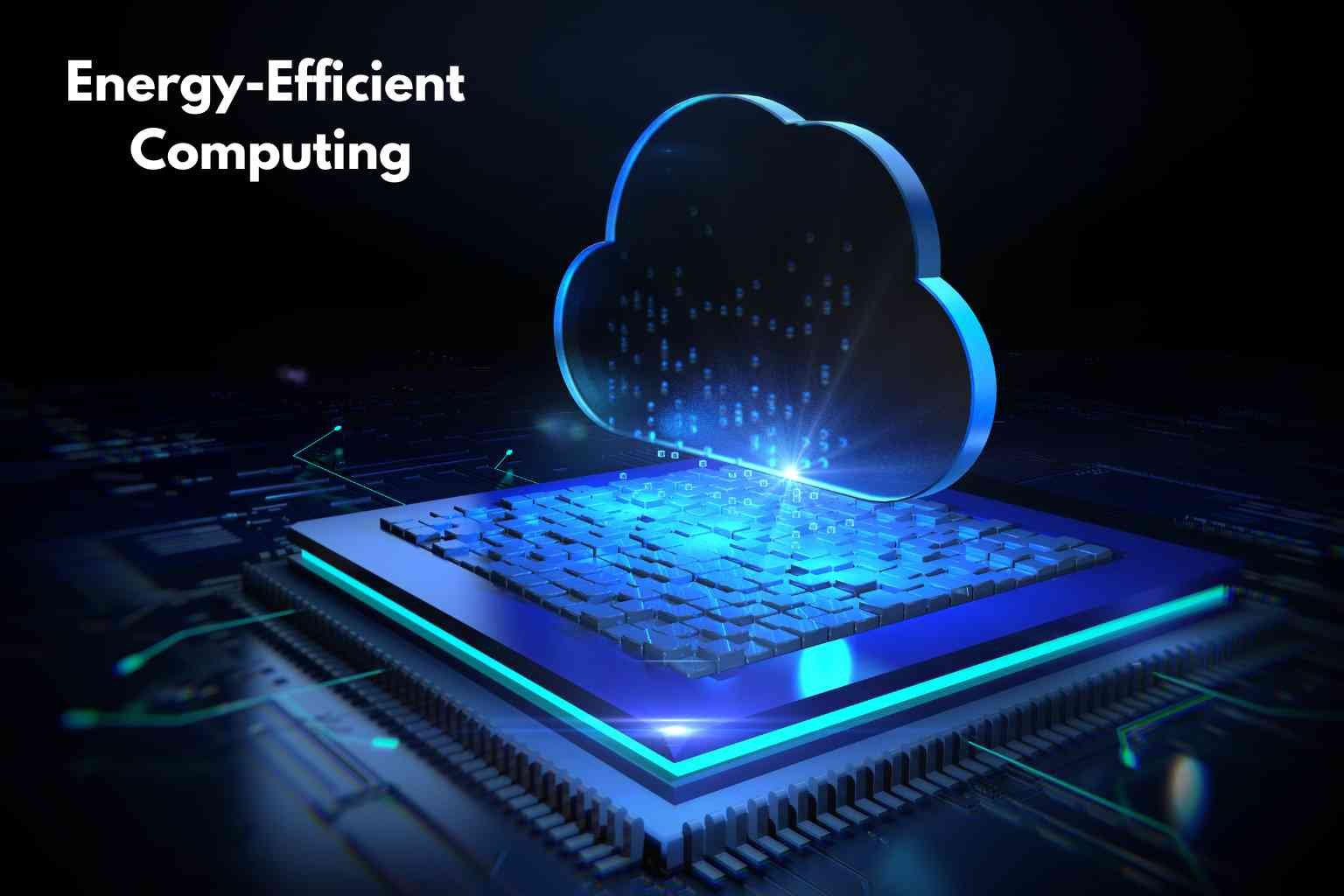
Energy-efficient computing is about creating hardware and software that don’t draw so much electricity, but at the same time provide us, or even exceed our capacity for what was considered high performance. It focuses of how we affect the “power budget” – processing, and resource management through power optimized processors, software design that is smarter/cooler and systems that cool more efficiently as a part of enabling sustainable infrastructure.
2. Why Energy Consumption in Technology Is Rising
The digital economy keeps growing. More businesses rely on cloud computing, streaming services, blockchain platforms and artificial intelligence. Oh, and all of these technologies are power hungry. It is not only the data centers that consume massive amounts of electricity from this world. If energy use is not more efficient, energy needs will be growing.’
3. Environmental Impacts of High Energy Use
The high demand on electricity in the dugout result in carbon emissions, especially when power is generated from fossil fuels. Now, big tech is feeling pressure to reduce the size of that carbon footprint. energy-efficient computing to sustainability and GHG emissions.
4. Key Benefits of Energy-Efficient Computing
There are several benefits of designing an energy-effective system:
- Lower electricity costs
- Reduced carbon emissions
- Improved hardware lifespan
- Enhanced system reliability
- Better compliance with environmental regulations
For all these reasons, it is obvious that using energy efficiently is an economic and environmental necessity.
5. Cost Savings for Businesses
Energy especially electricity is one of the biggest operating costs for datacenters and IT equipment. Companies save significantly when they use power efficiently. What’s not to like? Energy efficiency cuts costs and reduces carbon footprints. For example, long‑life LED fixtures can save up to $1,475 over their lifetime, even at just $2.50 per lamp replacement cost.
6. Innovations Driving Energy Efficiency
Technological innovation is one of the important sources of improving efficiency. New circulation friendly processors are about low power. The cloud welcomes smarter cooling and renewable sources of power. So it also allowed state to let s applications run somewhat sanely without throwing computational resources away.
7. Role of Artificial Intelligence in Optimization
All the same businesses can capture energy efficiency through a projectised approach:
- Upgrade to energy-efficient hardware
- Make software that uses less power
- Consolidate servers through virtualization
- Use renewable energy sources
- Keep an eye on the energy usage.
These procedures also act as waste minimization and sustainability improvement.
8. Artificial Intelligence and Optimization
AI can monitor how systems are performing and propose energy-saving adjustments. Smart workload management, what allows servers to sit idle when they shouldn’t be running full tilt. This clever mechanism has a smart optimisation feature which prevents unnecessary energy waste.
9. Challenges in Transitioning to Efficient Systems
Although the benefits are stalwart, a shift to energy-efficient computing is not simply to happen:
- High initial investment costs
- Compatibility issues with older systems
- Limited awareness of optimization strategies
- Rapid growth in computational demand
How, then, can organizations strike the right balance between innovation and planning to navigate these challenges?
10. The Future of Sustainable Computing
As knowledge of climate change advances, so computing and energy efficiency will become de rigeur. Imagine if governments start to regulate things more stringently…and consumers would prefer eco-friendly businesses and be conscious of these values. Early adopting sustainable computing businesses will have an edge in the marketplace and business perception.
Key Takeaways
To begin with, energy-efficient computing is friendly to the environment, it can also save you money. Responsibly, the digital challenge can be met thanks to an optimal symbiosis of software and hardware as well as infrastructure and high-redundancy system. It is sustainable innovation that will be the core of future computing.
FAQs:
Q1. What is energy-efficient computing?
So this is the art of creating systems that use as little electricity as they can get away with and are still useful.
Q2. Why is energy-efficient computing important?
It saves money, cuts carbon and enables you to meet your sustainability goals.
Q3. How can businesses save energy?
By upgrading the hardware, optimizing the software and keeping an eye on power use.
Q4. Does energy-efficient computing reduce performance?
No, modern approaches are just as good or better.
Q5. Should we include renewable energy in the scope of energy-efficient computing?
Yes, and that’s the point – sustainable computing is achieved through use of renewables.