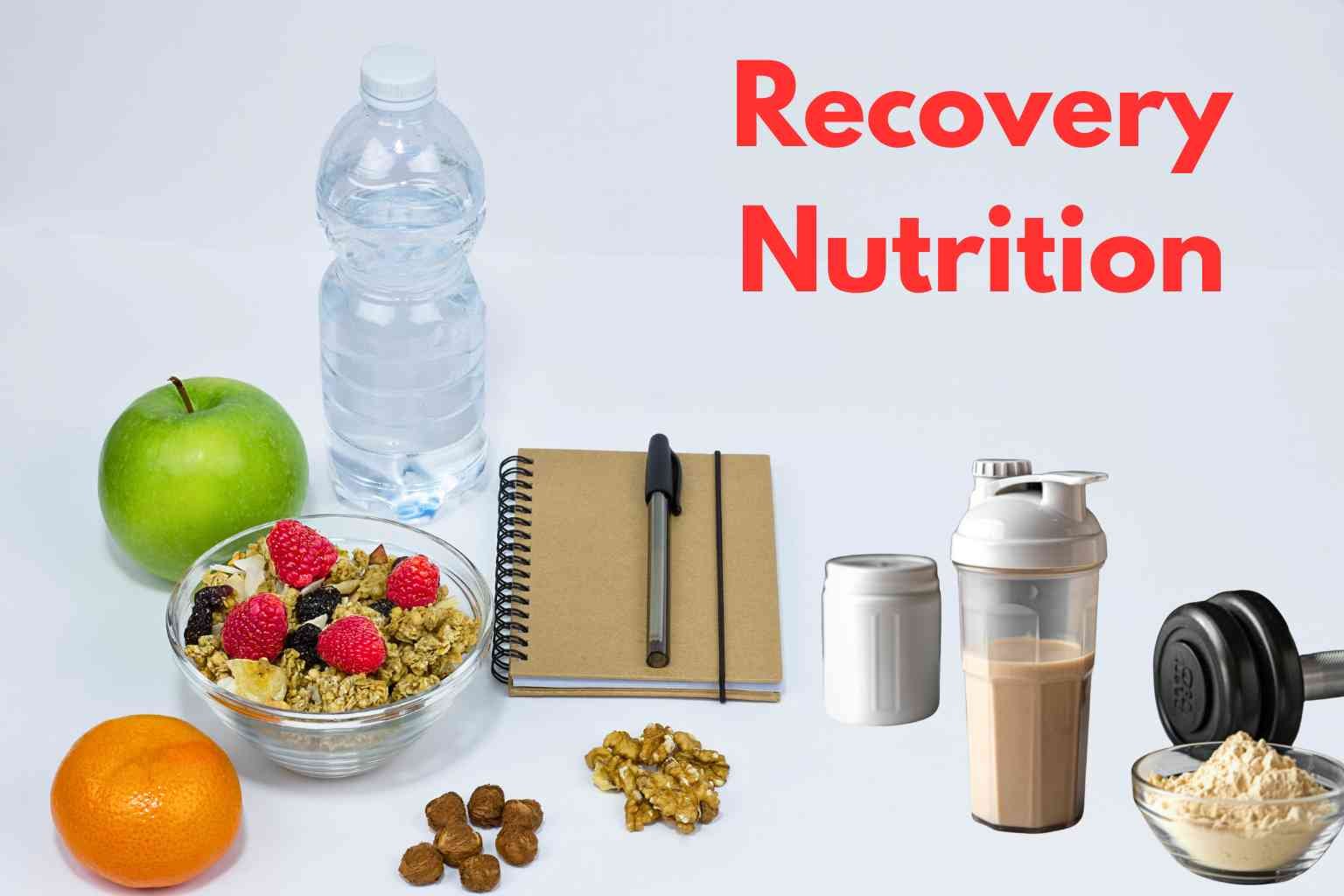
Nutrition is no longer just about fueling your workouts or daily life. Increasingly, the focus is turning to what happens after physical exertion. Recovery nutrition is now an integral part of fitness, sports performance and even basic wellness. For both athletes and gym rats, as well as anyone else who’s just busy being more active than usual in life, optimal recovery nutrition means the body can repair, rebuild and restore more efficiently.
1. What Is Recovery Nutrition
Recovery foods are the perfect combination of nutrients to consume after exercising to help the body recover. It is targeted at re-filling energy carts, muscle repairing and rehydration. The objective is to not merely eliminate fatigue, but to prepare the body for its next workout.
2. Why Post-Workout Nutrition Matters
The body taps into its stored carbohydrates to fuel itself while working out, and it also breaks down muscle fibers. Recovery crawls to a halt without the proper nutrition that follows. This can result in muscle soreness, fatigue and decreased performance. The right nutrients eaten after activity allow the body to recover more quickly and respond well over the long haul.
3. Key Nutrients That Support Recovery
Successful recovery nutrition has a combination of ingredients that:
- Protein to help supplement, repair and rebuild Muscles
- Carbohydrates to restore energy levels
- Good fats for a healthy body overall
- Electrolytes to maintain hydration balance
- Antioxidants to reduce inflammation
Optimizing the ratio of these nutrients to promote better recovery.
4. Protein and Muscle Repair
Protein is one of the key components to rebuilding muscle tissue. After workouts, muscles require amino acids to mend tiny tears that occur due to physical stress. Eating enough protein within a couple of hours after activity helps muscles recover and grow more quickly.
5. Importance of Replenishing Carbohydrates
The body uses carbohydrates as its energy source. Glycogen stores can deplete during high intensity training. Refueling with carbohydrates (for example, post-exercise) brings back energy stores and diminishes fatigue. Endurance athletes and individuals who train often need that extra boost.
6. Hydration and Electrolyte Balance
One of the most important aspects of recovery is hydration. Sweating depletes the body of fluids and electrolytes like sodium and potassium. Helping replace what is lost aids in regulating body temperature, muscle function, and preventing cramps.
7. Practical Steps for Effective Recovery Nutrition
Take the next steps to optimize your recovery via nutrition:
- Consume 30-60 minutes after exercise
- (meat and/or carbs in each meal.
- Rehydration with water or electrolyte beverages
- Avoid high-sugar processed foods
- Maintain consistent daily nutrient intake
These practices also aid in a speedier and healthier recovery.
8. Benefits Beyond Athletes
Recovery nutrition isn’t just for pro athletes. There are also benefits for those with physically demanding jobs and at the gym or other routines. Recovery can help reduce tiredness, immune health and general energy levels.
9. Common Mistakes in Recovery Nutrition
Many individuals make simple mistakes that slow recovery:
- Skipping post-workout meals
- Consuming only protein without carbohydrates
- Ignoring hydration needs
- Overeating unhealthy processed snacks
- Delaying meals for too long
To avoid these mistakes guarantees success.
10. The Increasing Emphasis on Long-Term Health
As health consciousness rises, recovery nutrition is moving into a larger context of long-term wellness. It promotes healthy muscles, decreases the risk of injury and enhances overall physical toughness. In future, personal nutrition plans may also promote recovery.
Key Takeaways
- Recovery nutrition repairs muscles and replenishes energy
- How to refuel after a workout Post-workout: Protein + Carbs!
- Hydrating Supplements helps the muscles to perform and cramps to develop.
- Timely meals improve recovery speed
- Personalized Nutrition Murdoch says personalized food plans could be the next recovery frontier.
FAQs:
Q1. What is recovery nutrition?
It is the habit of consuming the proper nutrients following exercise to help muscles to repair and replenish energy stores.
Q2. How fast do I need to eat after exercising?
Preferably 30 to 60 minutes after exercise.
Q3. Is protein enough for recovery?
No, carbohydrates and fluid are also crucial.
Q4. Does the science of recovery nutrition apply to non-athletes?
Yes it is for everyone who does physical activity.
Q5. Isn’t suboptimal recovery nutrition bad for performance?
Yes, it can delay recovery and take a toll on future performance.