Car interiors have evolved significantly in the past decade. Where there once were tactile buttons, knobs and analog gauges, now sit smooth screens and digital displays. From traditional controls, digital dashboards are evolving rapidly and so are progressively modern & electronic vehicles. This change isn’t only a matter of style. It is about intelligent technology, new user experience and increase of efficiency.
These days, drivers expect as high-tech a feel from their vehicles as they get on the smartphones. Digital dashboards make that expectation happen by integrating the information, entertainment and vehicle controls into one intelligent system.
1. What Is a Digital Dashboard
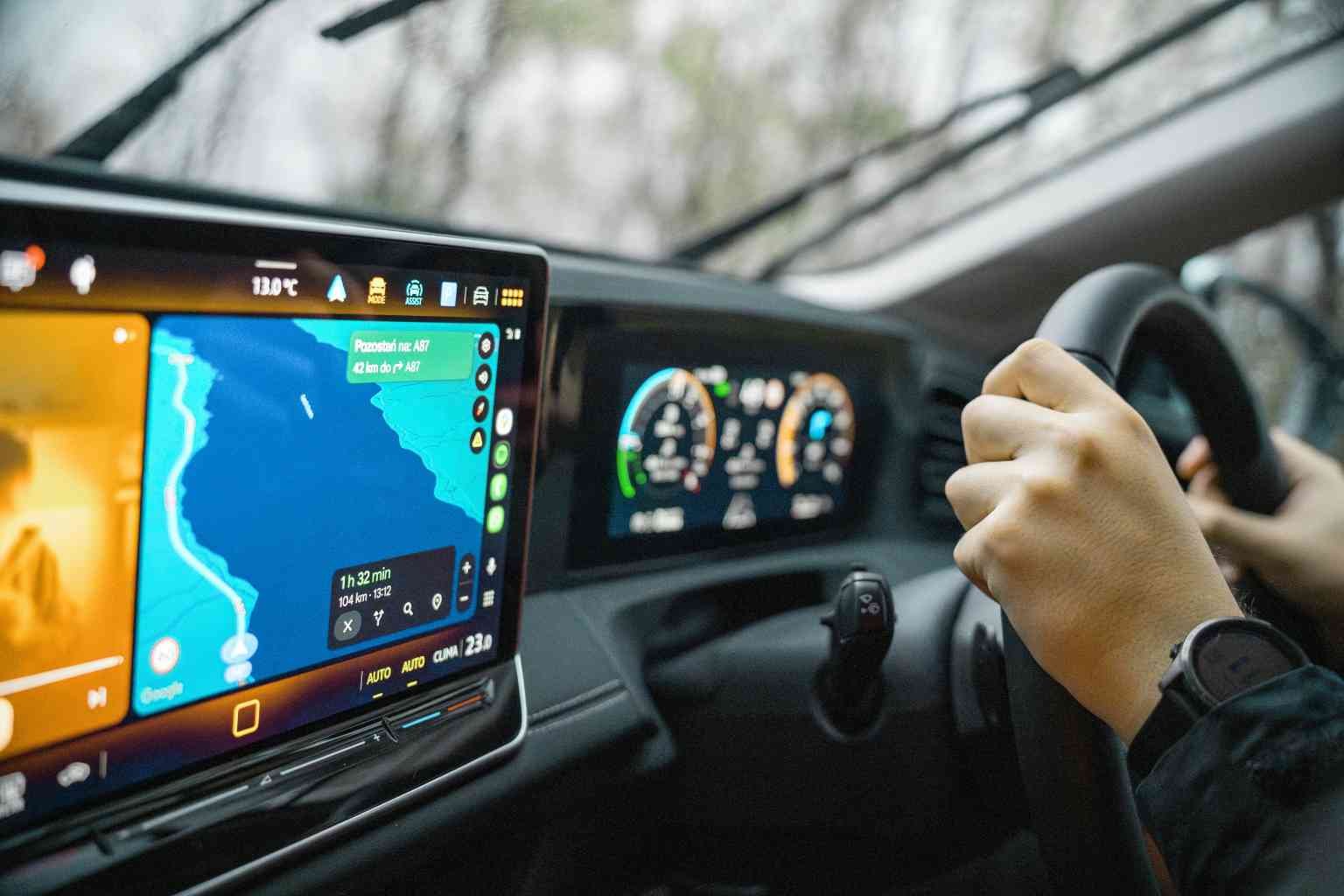
A digital dashboard or digital instrument cluster replaces regular analog gauges with a screen. There are no physical speedometers or fuel meters to look at, only digital graphics showing:
- speed
- battery level
- navigation
- alerts
Nowadays, many cars are bringing the instrument cluster and infotainment systems together into one large connected display.
2. Why Traditional Controls Are Fading
Mechanical gauges and physical switches were the mainstays of traditional dashboards. While reliable, they had limitations. They had limitations and were difficult to update.
Whereas digital systems can be updated via software. They are better future ready as well adapted to changing requirements because of this flexibility.
3. Cleaner and Minimalist Interior Design
Modern automobile design prioritizes simplicity and elegance. These digital dashboards minimize clutter through the elimination of dozens of buttons. One touchscreen controls:
- climate
- music
- navigation
- driving modes
This clean look is particularly common in electric vehicles and luxury cars.
4. Customization for Drivers
Personalization is one of the greatest features of digital dashboards. Drivers can customize what data is shown on their display. Some like a big navigation map, some emphasize speed and energy use.
Customization options often include:
- Different display themes and colors
- Adjustable layout views
- Real time performance data
- Battery or fuel efficiency tracking
- Alerts and information for driver assistance
This flexible approach improves comfort and usability.
5. Integration With Smart Technology
Digital dashboards readily integrate with smartphones, navigation apps and voice assistants. More user friendly features like wi fi connectivity, app integration and voice commands make the drive more useful.
Drivers can manage music, make calls or set navigational routes without ever looking up.
6. Enhanced Safety and Instant Notification
Today’s dashboards alert drivers immediately when safety features (like lane assistance, collision warnings and tire pressure monitoring) are not functioning properly. Rather than basic warning lights, drivers receive elaborate messages and instructions.
This makes it easy to know where you are on the track, which enhances safety and awareness.
7. Ongoing air-updates ensures systems stay current
Digital dashboards can be updated with software updates, unlike traditional controls. Updates may include:
- performance improvements
- bug fixes
- new features
That means the vehicle’s interface can improve even postpurchase, much like upgrading a smartphone.
8. Energy Efficiency in Electric Vehicles
Digital dashboards are especially crucial in electric cars. They show:
- battery range
- charging status
- regenerative braking data
- energy consumption
Efficient energy management is critical in EVs, and digital displays allow drivers to find their most efficient driving patterns.
9. Challenges of Fully Digital Controls
While digital dashboards have many advantages, they do face some concerns:
- Touchscreens can distract drivers, but if done poorly
- System glitches can affect functionality
- While some of us like a physical button to press for quick access
- The costs of repair and replacement can be higher
Manufacturers are still trying to improve reliability and balance touch controls with crucial physical buttons.
10. The Future of Vehicle Interiors
The transition to these digital dashboards is part of a broader trend toward interconnected and self-driving vehicles. As vehicles become smarter, the cabin needs to support those features. In-car details like:
- big displays
- augmented reality navigation
- voice controlled systems
will likely become the norm.
Digital dashboards are not merely supplanting traditional controls. They are transforming how drivers engage with their cars.
Key Takeaways
- Digital dashboards provide customization, smarter connectivity and real time updates that traditional controls couldn’t offer
- They make interiors cleaner, enhance safety and enable advanced vehicle technology
- Digital displays clearly influence the future of automotive design
FAQs:
Q1. This brings us to the next question what exactly is a digital dashboard in a car?
It’s a display system that takes the place of traditional analog gauges and often physical controls.
Q2. Are digital dashboards more secure than traditional ones?
Those alerts can enhance safety by making it easier to see whether a car is functional, but they need to be appropriately designed so as not to distract.
Q3. Can digital dashboards be updated?
Most vehicles, after all, get software updates that enhance functionality and performance.
Q4. Is a digital dashboard standard on all new cars?
Most new vehicles these days, particularly electric and premium models, have shifted to digital displays.
Q5. Will physical buttons disappear completely?
Not completely. Most cars retain some attention-to-detail physical controls for safety and convenience.