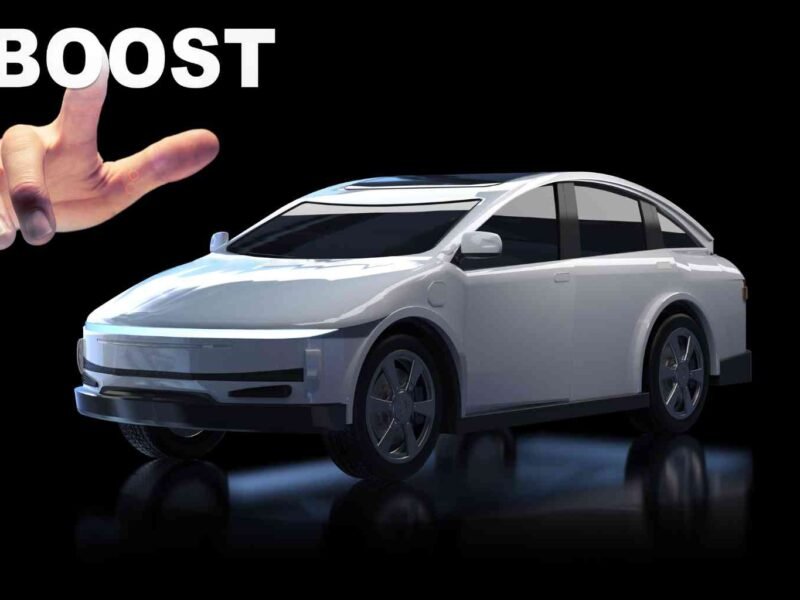
It’s a fast-paced time for the auto industry. With electric vehicles, driverless cars, and evolving consumer tastes, automakers are under pressure to innovate more rapidly than at any time in the past. Key to this change is modular vehicle platforms. These flexible architectures make it possible for car companies to produce a number of vehicle models based on the same underlying structure. Efficiency, speed and adaptability are must-haves for the future, and modular platforms are shaping automotive design to go that way.
1. What Are Modular Vehicle Platforms
A modular vehicle platform is a common base architecture that underpins a number of car models. Rather than customizing every vehicle, OEMs rely on a common chassis and key parts. The vehicle bedrock can be scaled to different sizes, wheelbases or architectures to build cars including sedans, SUVs and electric vehicles.
2. Vehicle Design, the Traditional Way, Has Been Changing
Development of cars used to necessitate individual platforms for different models. This is an inefficient way that led to high production and development cost. In the face of mounting market pressure for speed, manufacturers must innovate more quickly. Modular systems eliminate redundancy and recognize efficiency.
3. Key Advantages of Modular Platforms
Modularity offers several advantages:
- Reduced manufacturing costs
- Faster product development
- Easier integration of new technologies
- Improved scalability across vehicle types
- Simplified supply chain management
These advantages support long-term competitiveness.
4. Impact on Electric Vehicle Development
Modular platforms are especially suited to electric vehicles. A number of EV platforms are built according to a “skateboard” design, in which batteries and motors are packed into a flat chassis. This provides the flexibility to size vehicles larger and increases interior space. Using the same base architecture, manufacturers can bring new EV models to market relatively quickly.
5. Flexibility in Design and Customization
Modular platforms enable design flexibility. Automakers can alter size, seating arrangement, even performance features without altering the basic substructure. This means quicker responses to consumer trends and local tastes.
6. Core Components of Modular Platforms
Modular vehicle platforms typically include:
- Standardized chassis structure
- Shared powertrain systems
- Integrated battery modules in EVs
- Common suspension components
- Unified electronic architecture
These common parts streamline manufacturing and service.
7. In autonomous and connected vehicles
Next vehicles will be mostly software and connected. Modular platforms facilitate the integration of ADAS systems, sensors and communication modules. Common electronic systems foster greater compatibility with new technologies.
8. Benefits for Manufacturers and Consumers
Modular platforms mean reduced costs and faster innovation for manufacturers. For users, it can mean more consistent quality control and access to cutting-edge features at competing price ranges. Maintenance and repairs are also simplified by using standardized parts.
9. Challenges in Implementation
However, there are also challenges associated with modular platforms:
- High initial development investment
- Risk of common design deficiencies for models
- Complex engineering coordination
- Need for continuous software updates
- Market differentiation concerns
Quality control and careful meeting planning are then necessary.
10. The Road Ahead for Modular Platforms
Modular vehicle platforms, are more important than ever as electric mobility and digital transformation continue to evolve. They enable to sustainable production, fast innovations and flexible production concepts. One day, modular design may even apply to mobility systems as a whole, not just vehicles.
Key Takeaways
Flexible Modular Vehicle Platforms are Changing the Manufacturing of Vehicles.
- Shared architectures reduce costs
- Skateboard designs are an advantage to EV development
- Faster innovation improves competitiveness
- Advanced technologies integrate more easily
- Modular systems will be the basis of future mobility
FAQs:
Q1. What is a vehicle platform?
It’s a common base frame to create many kind of vehicles in an easy way.
Q2. Why is the modular platform crucial for electric vehicles?
They permit flexible battery arrangement and expedite the development of EVs.
Q3. Do modular platforms brings down costs of production?
Yes, common parts reduce production and development costs.
Q4. Do modular vehicles have less unique designs?
Not necessarily. ParticleProperties), from which appearance and behavior can be customized, while sharing a common core structure.
Q5. Will modular skateboards be our future cars?
Indeed, they will probably dominate automotive innovation in the future.