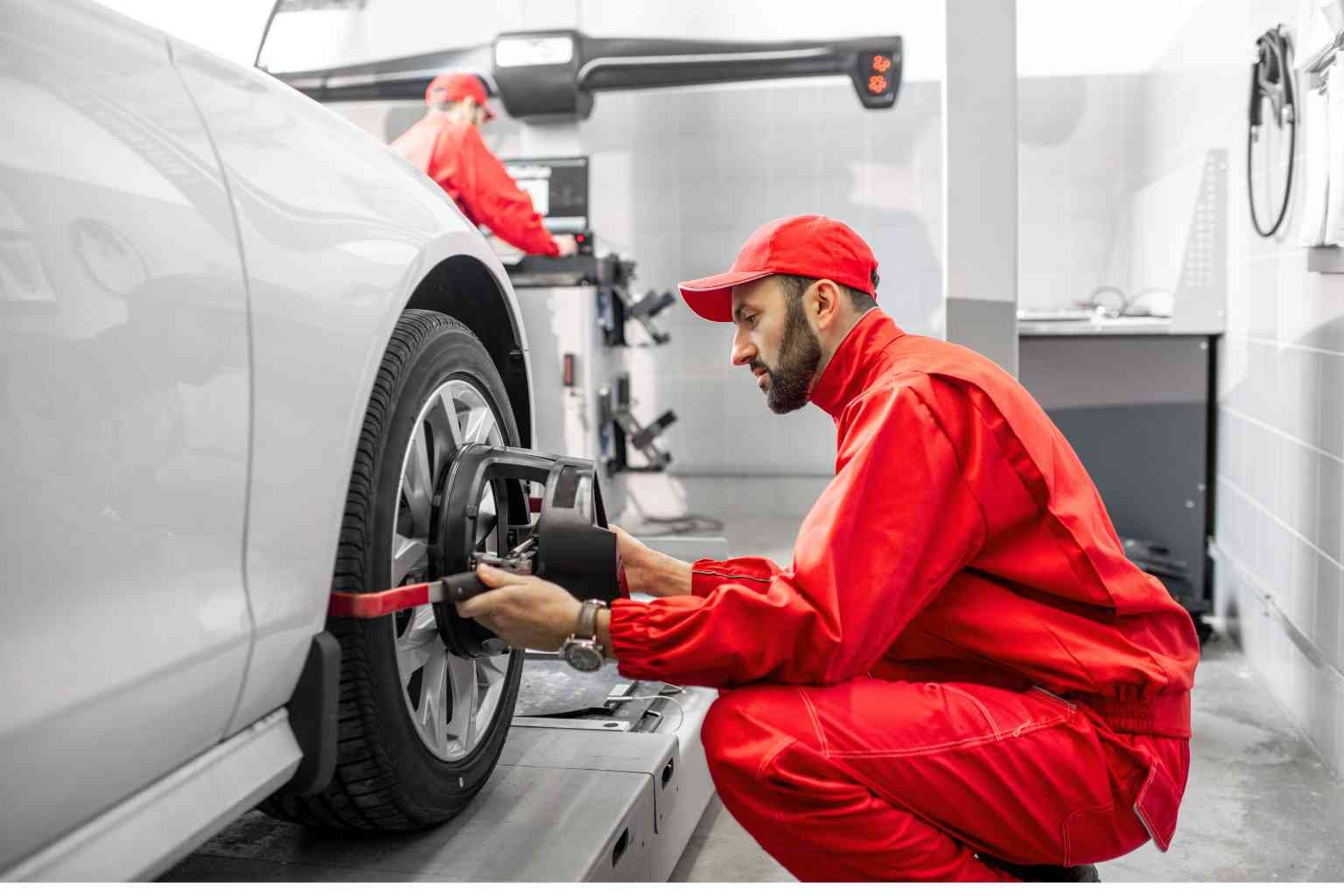
Today’s cars are not afraid of love, or raining on our devices. They are sophisticated systems with sensors, software and connectivity. With vehicles getting more intelligent, it is easier than ever to monitor their condition in real time and increasingly important. The health of vehicles Real time Monitors are changing how drivers and fleet operators keep their rides safe, performing well and efficient. Rather than waiting for breakdowns, these systems identify problems early and send alerts.
1. What Are Vehicle Health Monitoring Systems
Automobile health monitoring systems sense and apply onboard diagnostics to track the performance of major components. They track engine condition, battery health, tire pressure, fuel efficiency and more. The system constantly gathers data and lets drivers know if there are any red flags.
2. Why Preventive Maintenance Is Becoming A Necessity
Vehicle maintenance used to be based on fixed service intervals, or whenever a visible problem became known. But such an approach may result in unintended collapses. Such health monitoring systems move away from `break-fix’ toward preventative maintenance, leading to decreased long-term costs due to the lack of necessity for repairs.
3. Advantages of Vehicle Health Monitoring
Advantages of vehicle health systems:
- Early detection of mechanical issues
- Improved vehicle safety
- Reduced maintenance costs
- Better fuel efficiency
- Extended vehicle lifespan
Those types of benefits for the individual driver and businesses are what make monitoring tools useful.
4. Real-Time Alerts and Diagnostics
Newer cars will send you notifications on the dash of your car and mobile app. If tire pressure decreases or engine temperature increases, the driver is notified without delay by the system. That rapid feedback ensures that insignificant problems do not lead to major ones.
5. Role of Telematics and Connectivity
Vehicles can exchange information with service centers and fleet managers through connected car technology. Telematics provides remote monitoring of performance. This allows remote diagnosis and quicker resolution without the need for physical fault-finding.
6. Core Components of Monitoring Systems
In general, vehicle health monitoring systems comprise:
- Onboard diagnostic sensors
- Engine control units
- Tire pressure monitoring sensors
- Battery management systems
- Cloud-based data analysis platforms
These pieces all come together to offer accurate intel.
7. Impact on Fleet Management
Especially operators of large fleets profit from monitoring solutions. Vehicle performance is monitored in real time, so that downtimes are minimized and route efficiency can be optimized. Preventive maintenance averts unexpected downtime that can interrupt business.
8. Support for Electric and Hybrid Carriage ways
While the health of a battery is critical for electric and hybrid cars. Battery life, charging cycles, and energy efficiency are all monitored by the systems. This is to maximize the performance and battery life.
9. Challenges in Implementation
There are, however, challenges to be addressed for practical deployment:
- Data privacy concerns
- High initial installation costs
- Complexity of advanced systems
- Need for regular software updates
- Cybersecurity risks
Dealing with these problems is important to guarantee the safe and efficient uptake.
10. The Smart Scope: A Smarter Way to Monitor Your Vehicle
As AI and IoT technology advances, health check systems of cars will be more developed. One day predictive analytics could find new weaknesses before they show symptoms. Cars will chat directly with service providers, making maintenance effortless.
Key Takeaways
Vehicle health monitoring systems enabling evolution of automotive maintenance with real-time diagnosis and predictive analytics.
- Preventive maintenance reduces breakdown risk
- Real-time alerts improve safety
- Fleet operators gain operational efficiency
- Battery management in electric vehicles
- AI for Predictive Studies Future systems will employ AI for prediction analysis.
FAQs:
Q1. What are vehicle health monitoring systems?
It is a system that collects and evaluates data about how the vehicle is running, by using sensors and diagnostics.
Q2. How can tracking help with vehicle safety?
It identifies problems early and sends real‐time alerts to help avoid failures.
Q3. Is the monitoring system helpful for private cars?
Sure, they assist individual drivers in keeping their cars operating efficiently.
Q4. Have you heard whether electric cars have health monitoring as part of the vehicle?
Yes, particularly when it comes to battery management and power efficiency.
Q5. Does data privacy exist in connected cars?
Yes, vehicle data needs strong cyber security.