

India’s alcohol industry is one of the fastest-growing consumer sectors in the country, driven by rising urbanization, changing lifestyles, premiumization trends, and increasing demand for diverse beverage options. While consumers often recognize liquor brands through advertisements, packaging, or retail presence, one of the most important forces behind a brand’s success operates quietly in the background distributors.
A strong distribution network plays a major role in determining whether a liquor brand reaches the right audience at the right time. For every successful liquor producer and distributor, building market visibility and maintaining consistent product availability depends heavily on an efficient and reliable distribution system.
Understanding the Indian Liquor Distribution Environment
The Indian liquor market is highly complex compared to many other countries. Alcohol policies differ from state to state, creating unique licensing systems, taxation structures, transportation regulations, and retail frameworks. Because of these regional variations, distributors act as critical intermediaries between retailers and liquor manufacturers in India.
Liquor distributors are responsible for ensuring that products move smoothly from manufacturing facilities to wholesalers, retailers, bars, restaurants, hotels, and government-operated outlets. Without proper distribution support, even premium liquor brands may struggle to establish a presence in competitive markets.
In India, where consumer demand varies significantly across regions, distributors also help brands understand local purchasing behavior and market preferences.
Why Distribution Is Crucial for Brand Growth
A liquor brand’s success is not determined solely by product quality. Availability and accessibility are equally important. Consumers are more likely to remain loyal to brands they can consistently find in stores, restaurants, or lounges.
Distributors help brands achieve this consistency by:
- Expanding market reach across cities and states
- Maintaining inventory flow
- Managing logistics and transportation
- Coordinating with retailers and hospitality businesses
- Supporting promotional activities
- Ensuring timely deliveries
Strong distributors often have established relationships with retailers, enabling brands to secure better shelf placement and improved market visibility.
For emerging liquor brands, partnering with experienced distributors can significantly accelerate market penetration and brand recognition.
The Role of Distributors in Market Expansion
India’s liquor market is geographically diverse. Consumer preferences in states like Goa, Punjab, Kerala, Maharashtra, and Karnataka can differ widely. Distributors help liquor companies adapt to these regional preferences by identifying demand patterns and recommending suitable product positioning strategies.
For example, premium blended whiskey may perform strongly in metropolitan cities, while locally preferred spirits may dominate smaller markets. Distributors provide valuable market intelligence that helps brands make informed business decisions.
When a brand enters a new territory, distributors also help navigate local regulations, licensing requirements, and retail structures. This support becomes especially important because alcohol distribution laws in India are highly regulated and frequently updated.
Building Retail Relationships
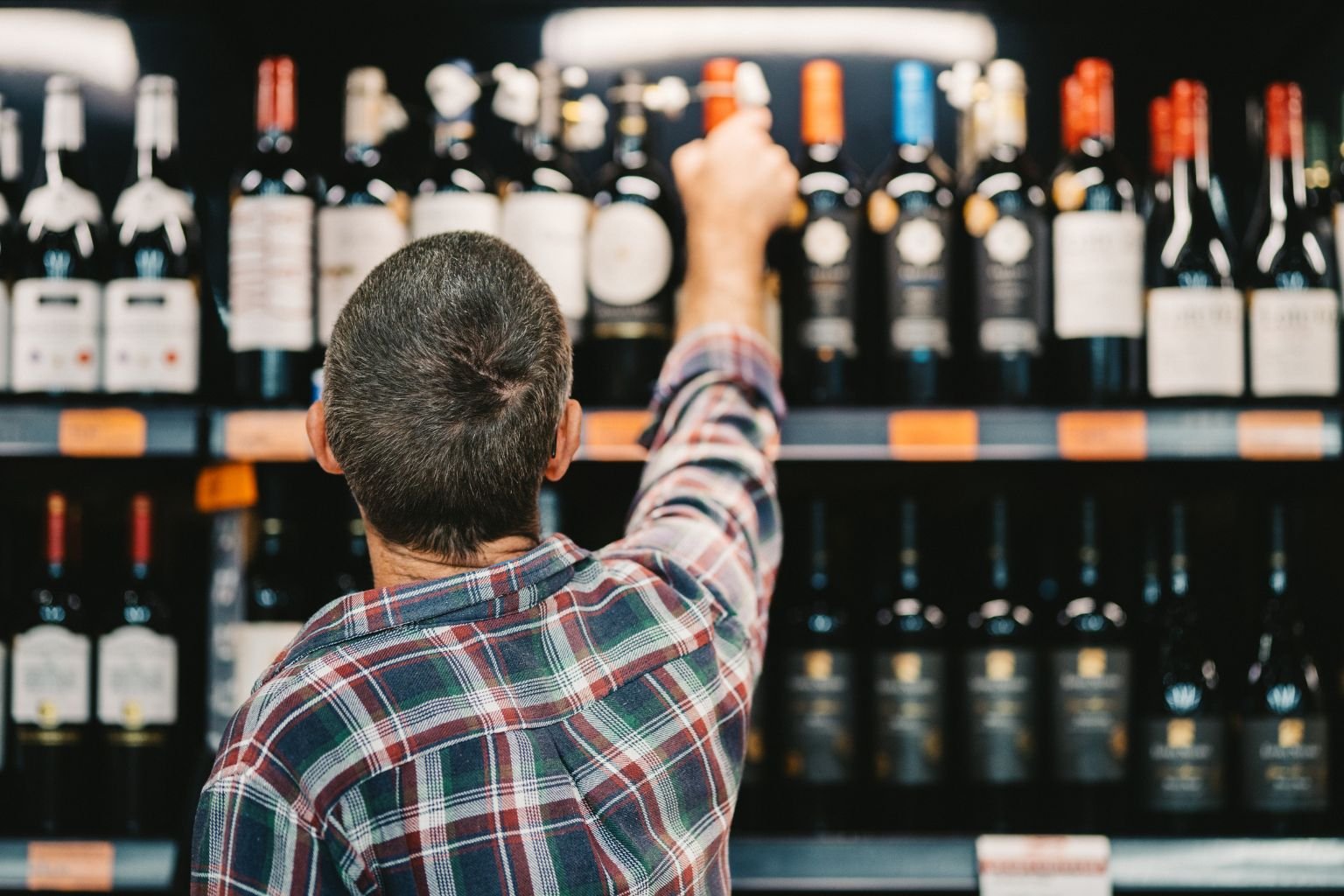
Retail visibility is one of the most important factors in the alcohol business. Distributors maintain close relationships with liquor stores, supermarkets, restaurants, pubs, bars, and hotel chains. These relationships directly influence how prominently a brand is displayed and promoted.
A distributor with strong retail connections can help secure:
- Better shelf positioning
- Faster stock replenishment
- Promotional displays
- Product recommendations by retailers
- Wider retail coverage
These advantages can significantly impact consumer purchasing decisions, especially in highly competitive categories like whiskey, vodka, rum, and beer.
Managing Supply Chain Efficiency
Efficient logistics and inventory management are essential in the liquor industry. Delayed deliveries, stock shortages, or damaged products can negatively affect both retailers and consumers.
Distributors play a central role in maintaining supply chain efficiency by coordinating transportation, warehousing, inventory tracking, and order fulfillment. In a country as large and diverse as India, timely product movement requires careful planning and strong operational capabilities.
Modern distributors are increasingly adopting technology-driven systems for inventory management, route optimization, and sales tracking. These advancements improve operational efficiency and reduce supply chain disruptions.
Additionally, smooth coordination between manufacturers and distributors supports better production planning and inventory forecasting, particularly in large-scale distillery operations in India.
Supporting Brand Promotions and Consumer Engagement
Distributors often contribute to local marketing and promotional activities that help improve brand awareness. Since direct alcohol advertising is restricted in India, brands rely heavily on retail visibility, event sponsorships, point-of-sale promotions, and surrogate marketing strategies.
Distributors assist by coordinating:
- In-store promotions
- Product launches
- Sampling events
- Festival campaigns
- Retail branding activities
Their local market understanding enables brands to execute targeted campaigns that resonate with regional audiences.
Challenges Faced by Liquor Distributors in India
Despite their importance, liquor distributors operate in a challenging environment. The industry faces several obstacles, including:
- Complex state regulations
- High taxation
- Frequent policy changes
- Interstate transportation restrictions
- Licensing delays
- Intense market competition
In addition, changing consumer preferences require distributors to adapt quickly to new product categories such as craft spirits, flavored beverages, and premium liquor offerings.
The growing demand for imported and luxury alcohol brands has also increased competition within the market, making efficient distribution even more important.
The Future of Liquor Distribution in India
India’s alcohol industry is expected to continue expanding in the coming years due to rising disposable incomes, urban growth, and evolving social trends. As competition intensifies, distribution networks will become even more important for building successful liquor brands.
Technology, data analytics, and digital inventory systems are likely to reshape the future of liquor distribution. Companies that invest in modern logistics, stronger retail partnerships, and market intelligence will gain a significant competitive advantage.
At the same time, distributors who can adapt to changing regulations and consumer expectations will continue to play a vital role in helping brands grow across India’s dynamic alcohol market.
The success of liquor brands in India depends on far more than manufacturing quality products. Distribution serves as the backbone of the industry, connecting producers with retailers and consumers across diverse regional markets.
An experienced liquor producer and distributor can build strong market presence, improve retail visibility, ensure efficient supply chain management, and support long-term brand growth. In an industry shaped by regulation, competition, and rapidly evolving consumer preferences, distributors remain one of the most important drivers of success for liquor brands operating in India.
FAQs
1. Why are distributors important in the Indian liquor industry?
Distributors help liquor brands expand their market reach, manage supply chains, maintain product availability, and build strong retailer relationships. They act as the bridge between manufacturers and consumers, making them essential for brand growth in India’s highly regulated alcohol market.
2. How do liquor distributors help brands grow across different Indian states?
Liquor distributors understand regional consumer preferences, state regulations, taxation systems, and retail structures. This helps brands enter new markets more efficiently while ensuring smooth product movement and better visibility.
3. What challenges do liquor distributors face in India?
Liquor distributors often deal with complex licensing processes, varying state laws, high taxation, transportation restrictions, and changing market trends. Efficient logistics and strong retail networks are necessary to overcome these challenges.
4. How does technology improve liquor distribution operations?
Modern distribution companies use digital inventory systems, warehouse management software, and data analytics to improve stock management, reduce delivery delays, and streamline operations across multiple regions.
5. What makes a successful liquor producer and distributor in India?
A successful company focuses on product quality, strong distribution networks, efficient logistics, regulatory compliance, and retailer partnerships. Companies like Rajasthan Liquor Limited highlight the growing importance of integrated production and distribution strategies in India’s evolving liquor industry.
